Summer 2025 Work Experience
This summer I had the opportunity to work full time as a Marine Technician at Porter Marine Repair in Newburyport, MA. The shop services a wide range of inboard and outboard vessels, and over the course of the summer I got to work my way from general labor into practicing full mechanical and fabrication processes.
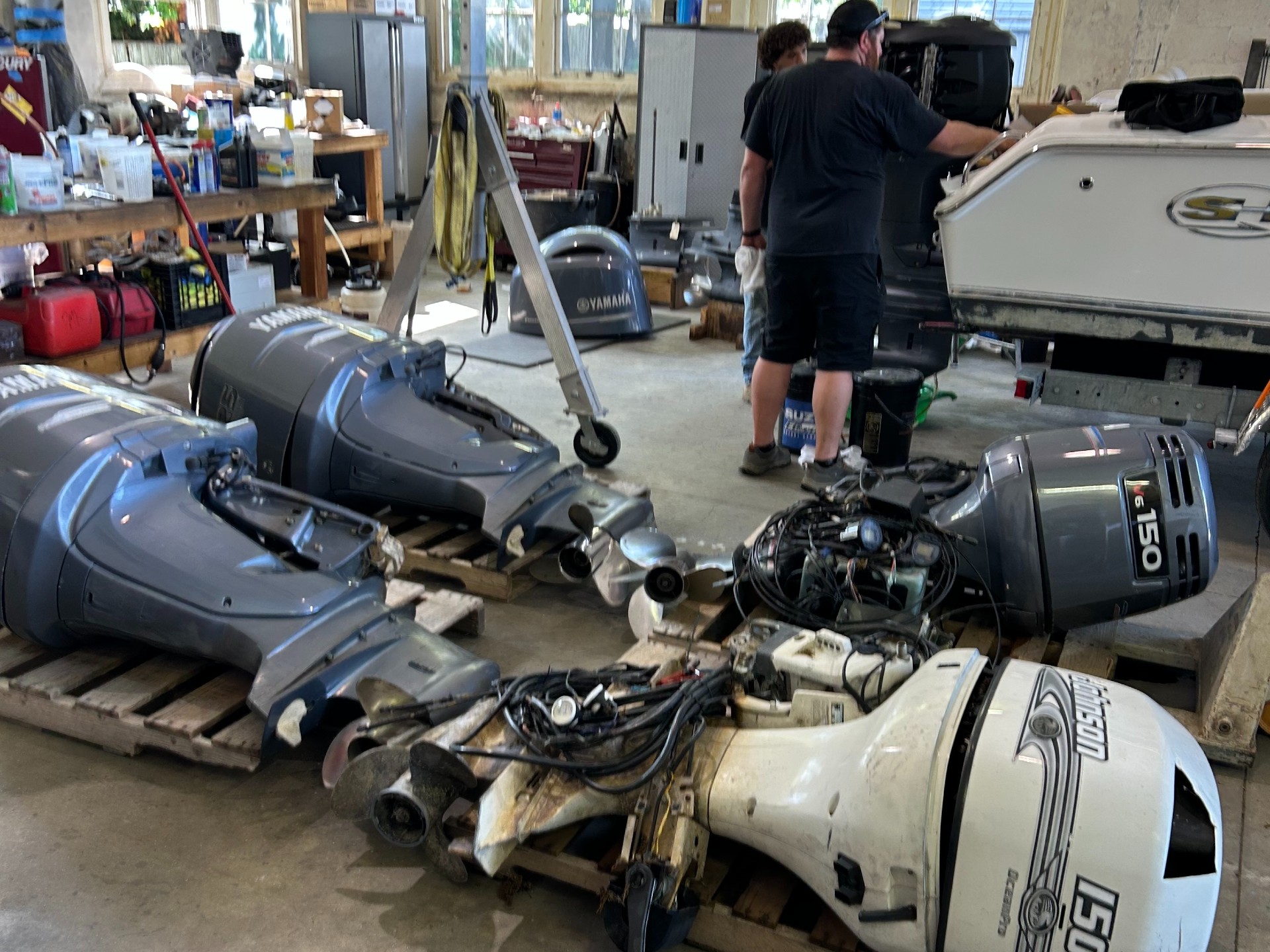
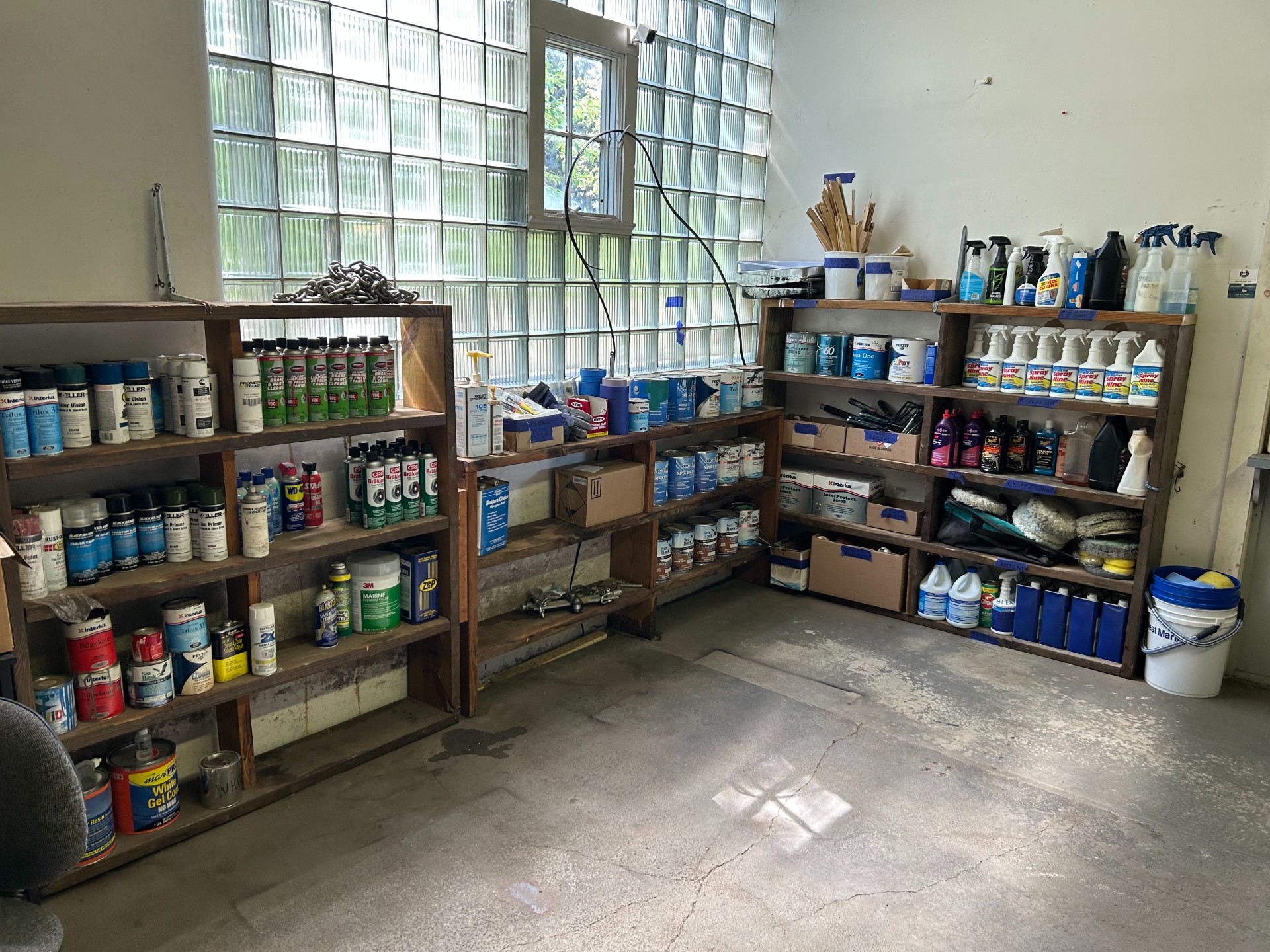
I started off doing bottom paint and general shop labor — scraping old components, sanding/painting hulls, and helping maintain the workspace. In my first week or so I also built a custom tool shelf for the shop and organized a large stock room of parts and materials.
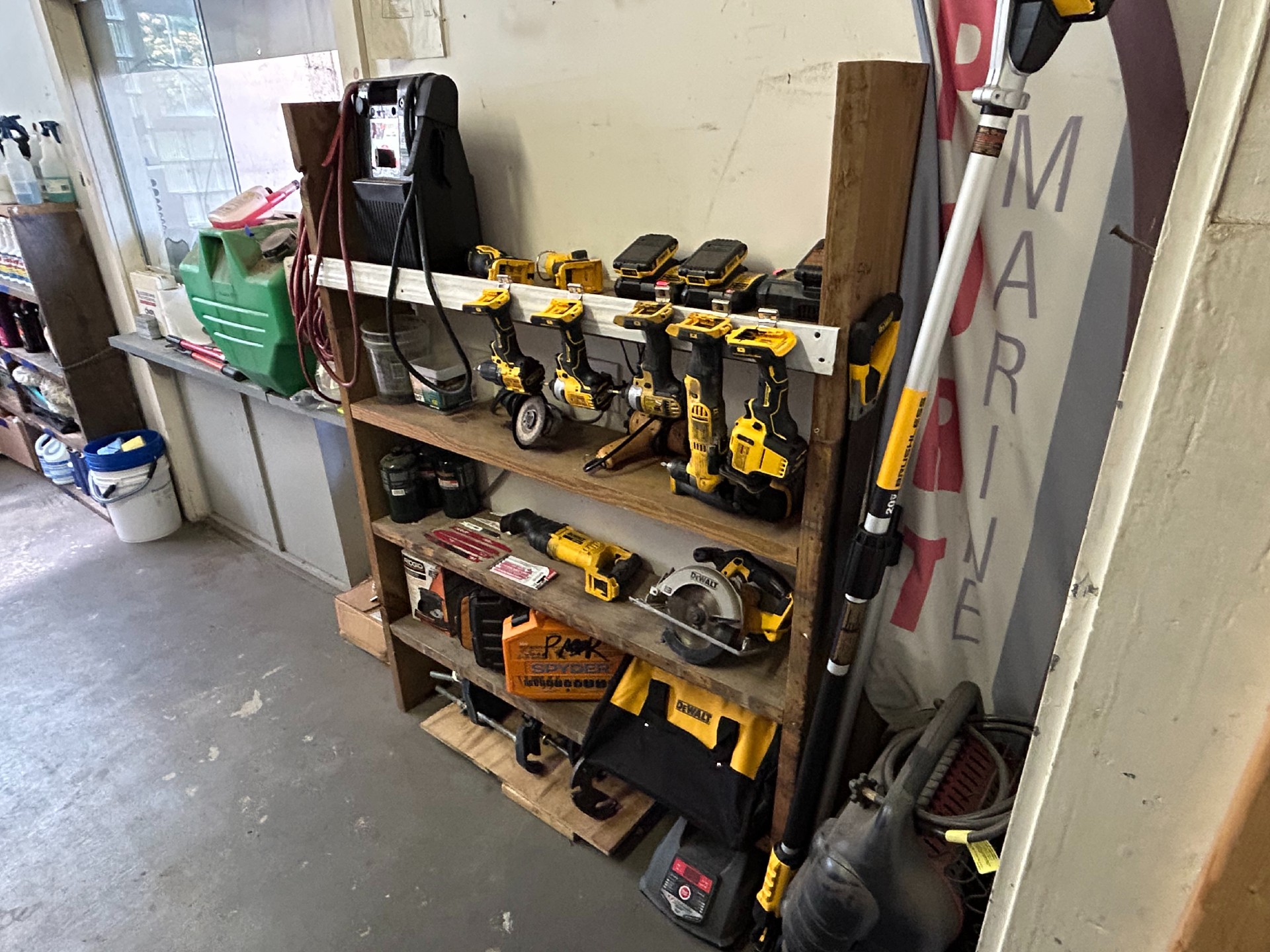
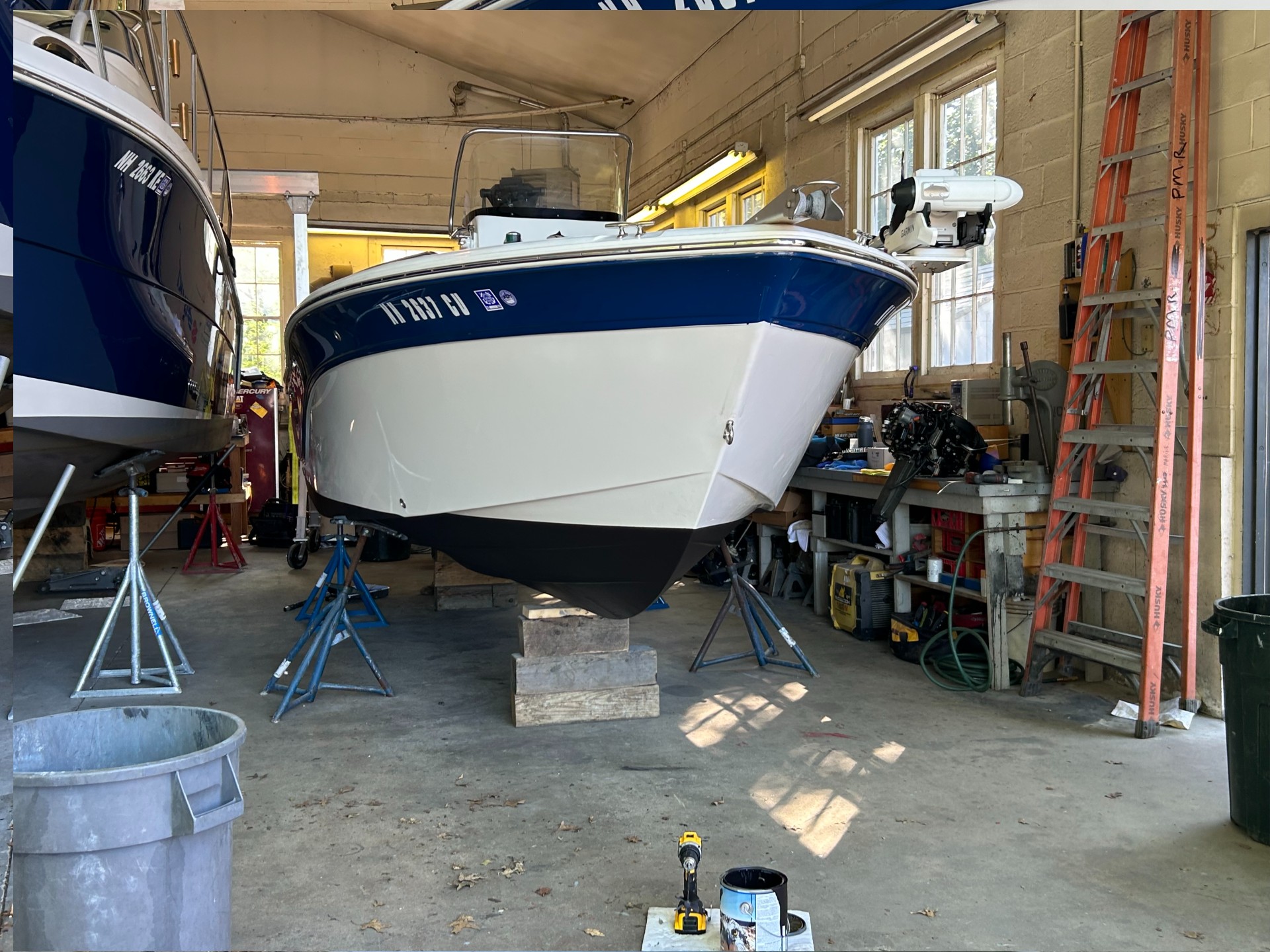
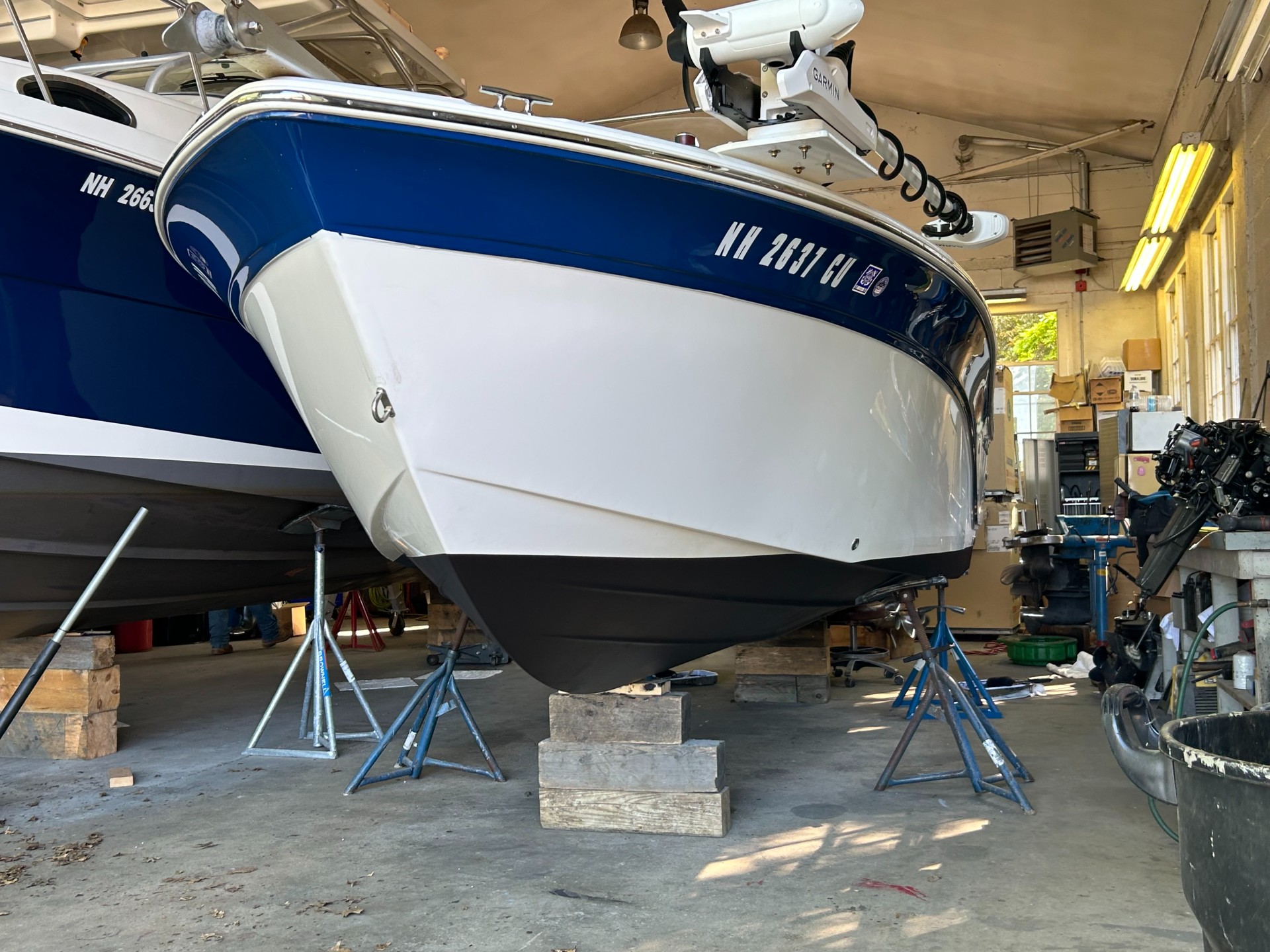
Below is a vessel where I completed a full “new bottom” independently. The process involved sanding the existing surface, carefully masking the waterline and hardware, and applying antifouling bottom paint. The quality of the prep ultimately determined the final result.
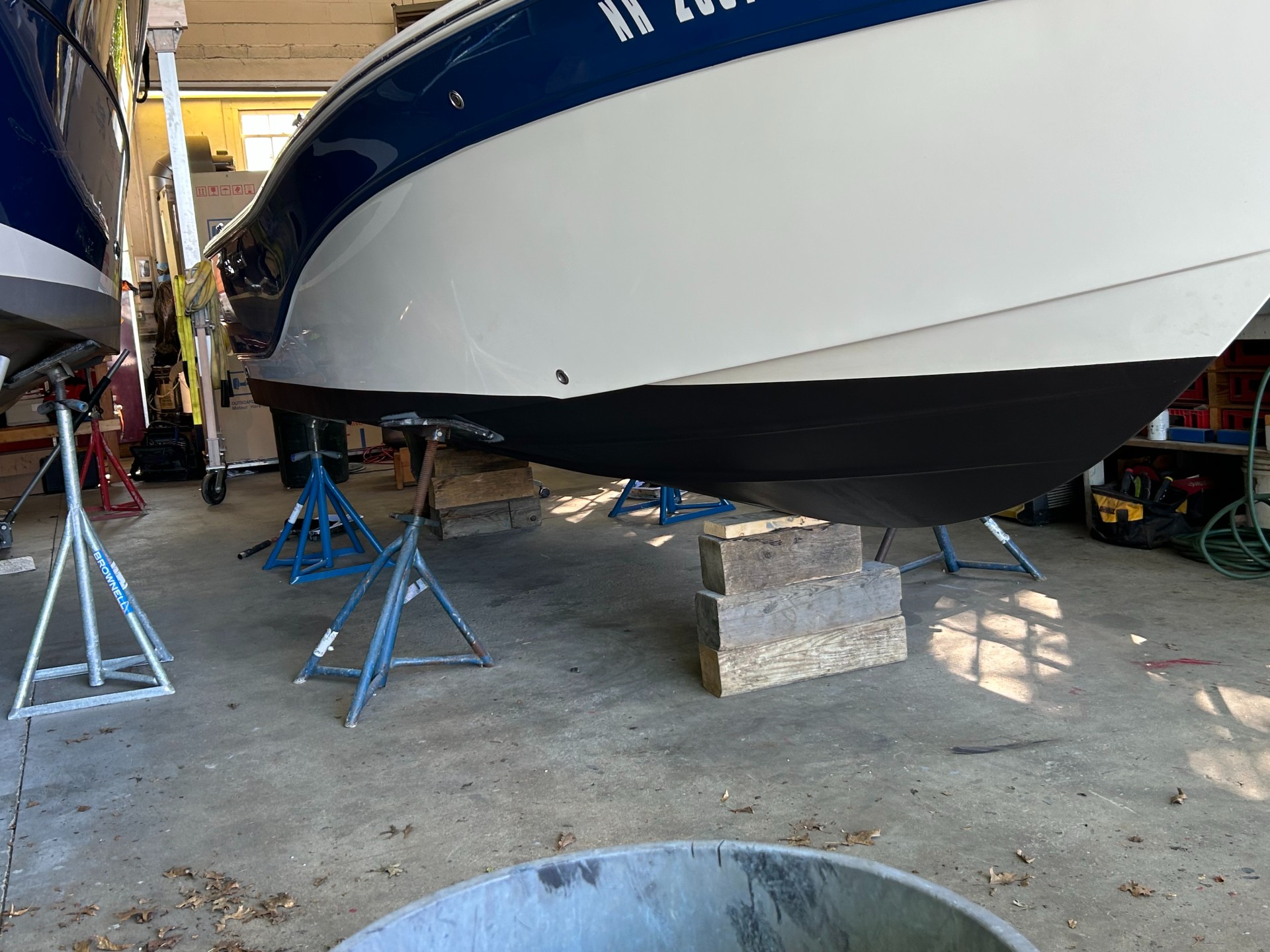
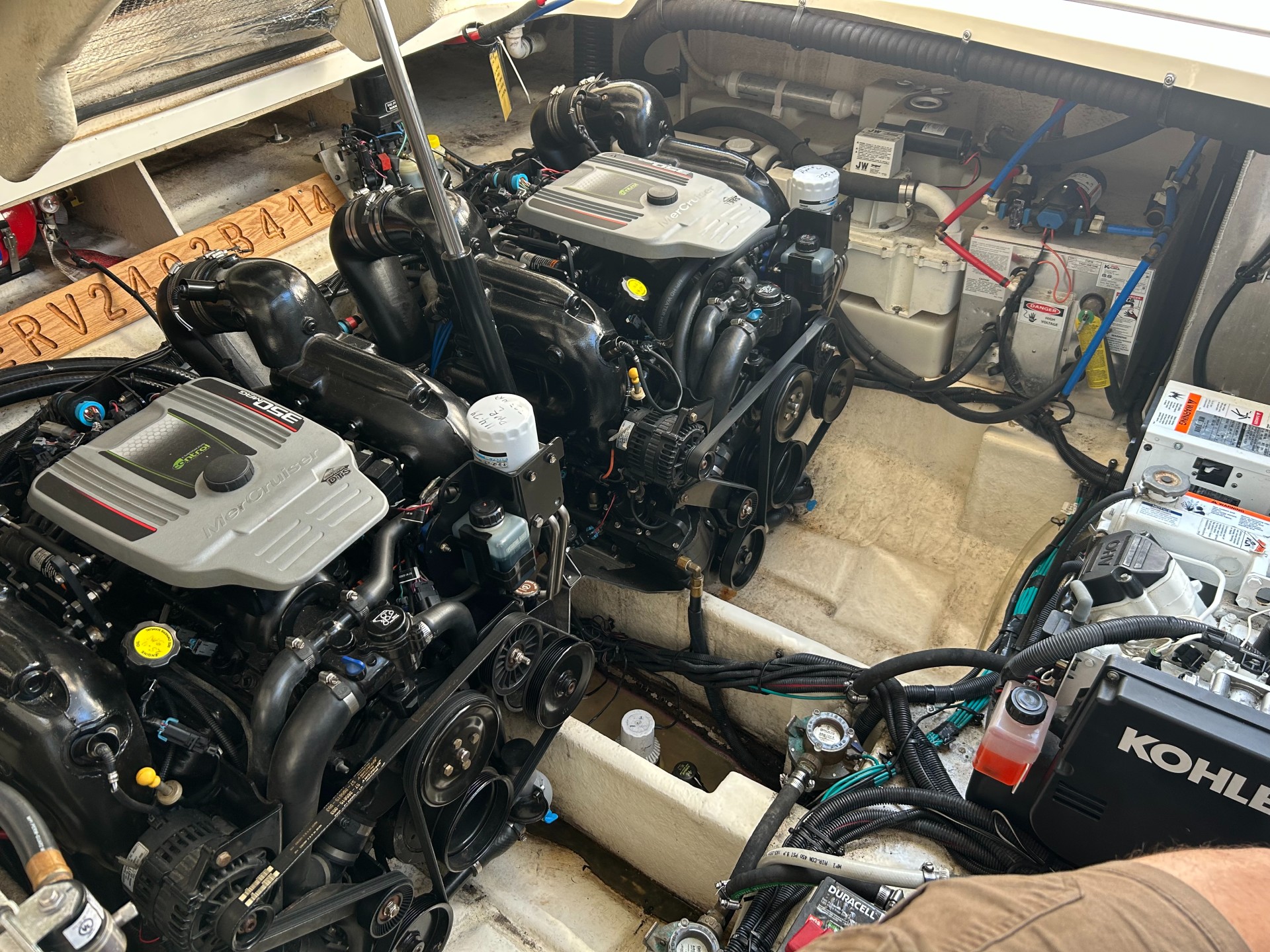
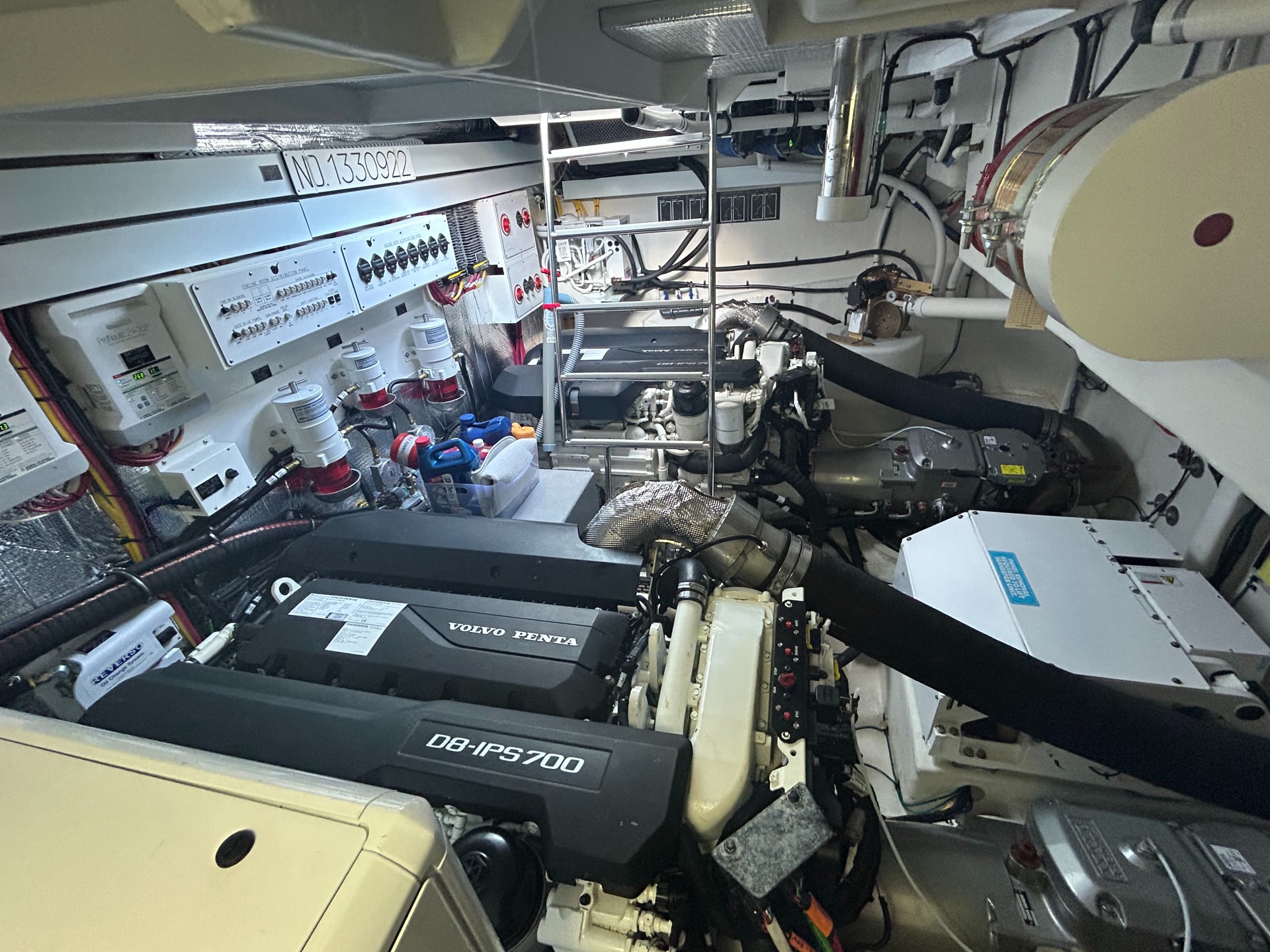
As the summer progressed, I also got into general maintenance on both inboard and outboard vessels of various sizes. I gained hands-on experience assisting with routine services, diagnostics, and observing larger-scale engine work. Below are engine bays from large outboard vessels that I helped service.
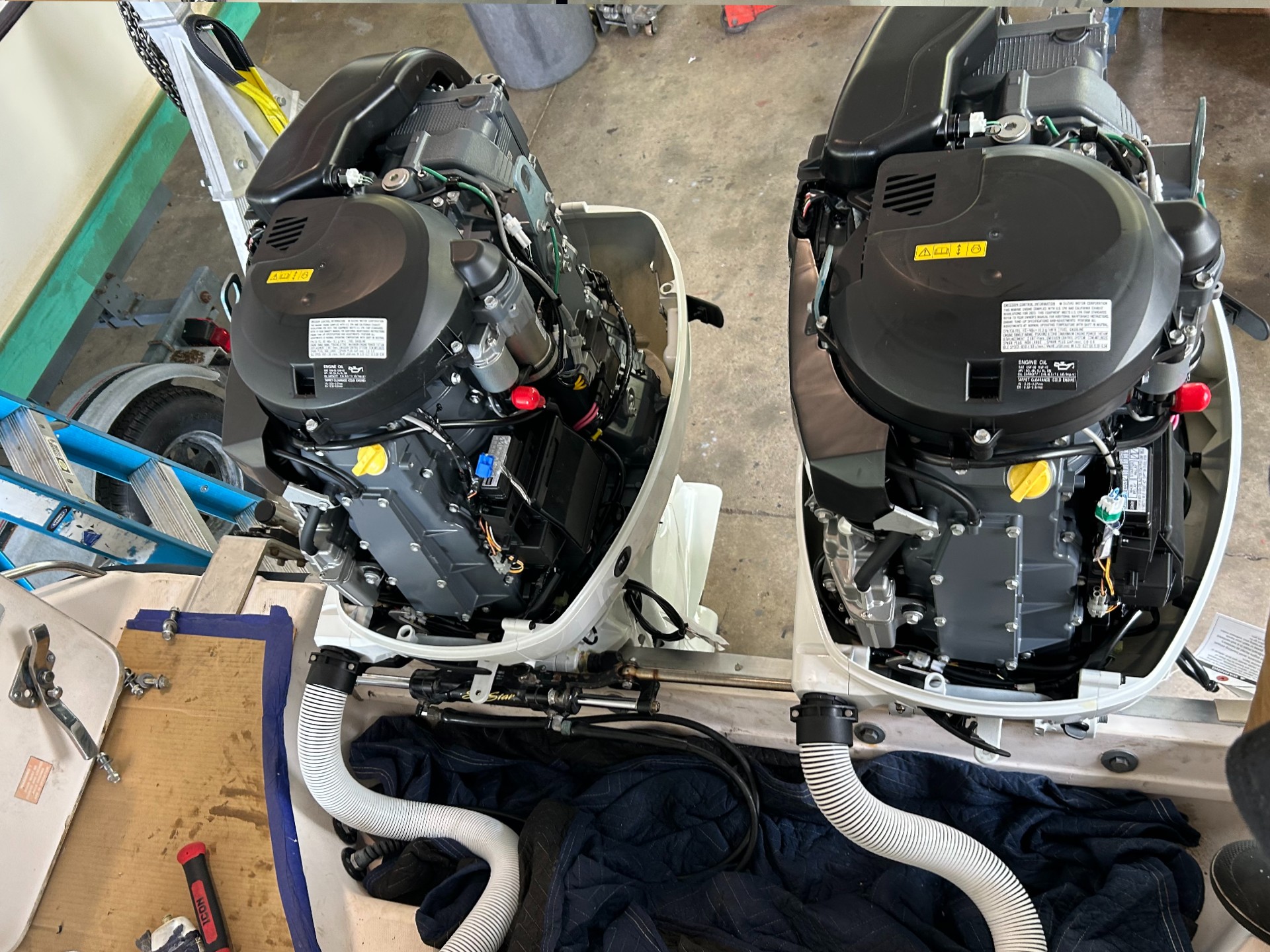
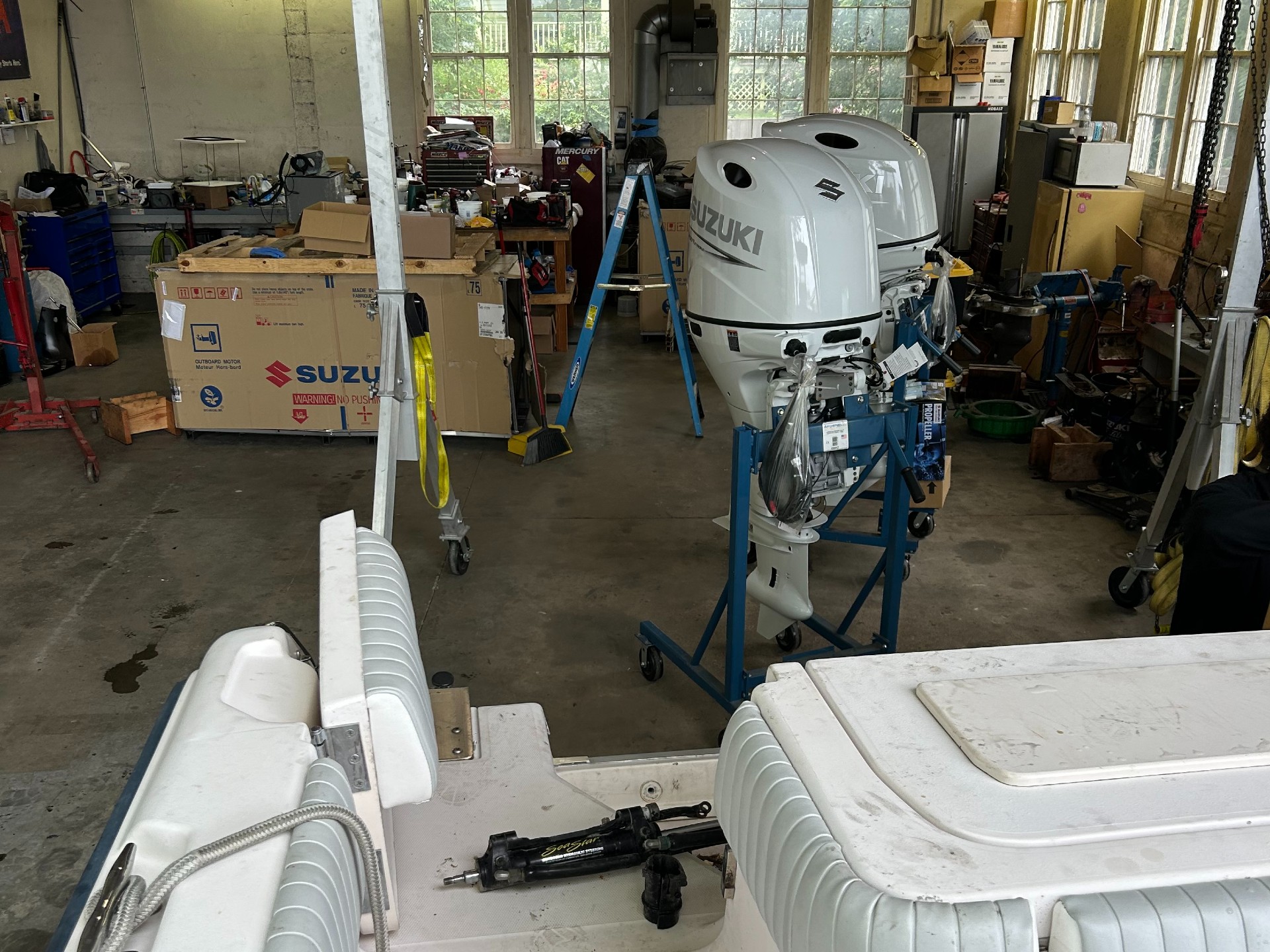
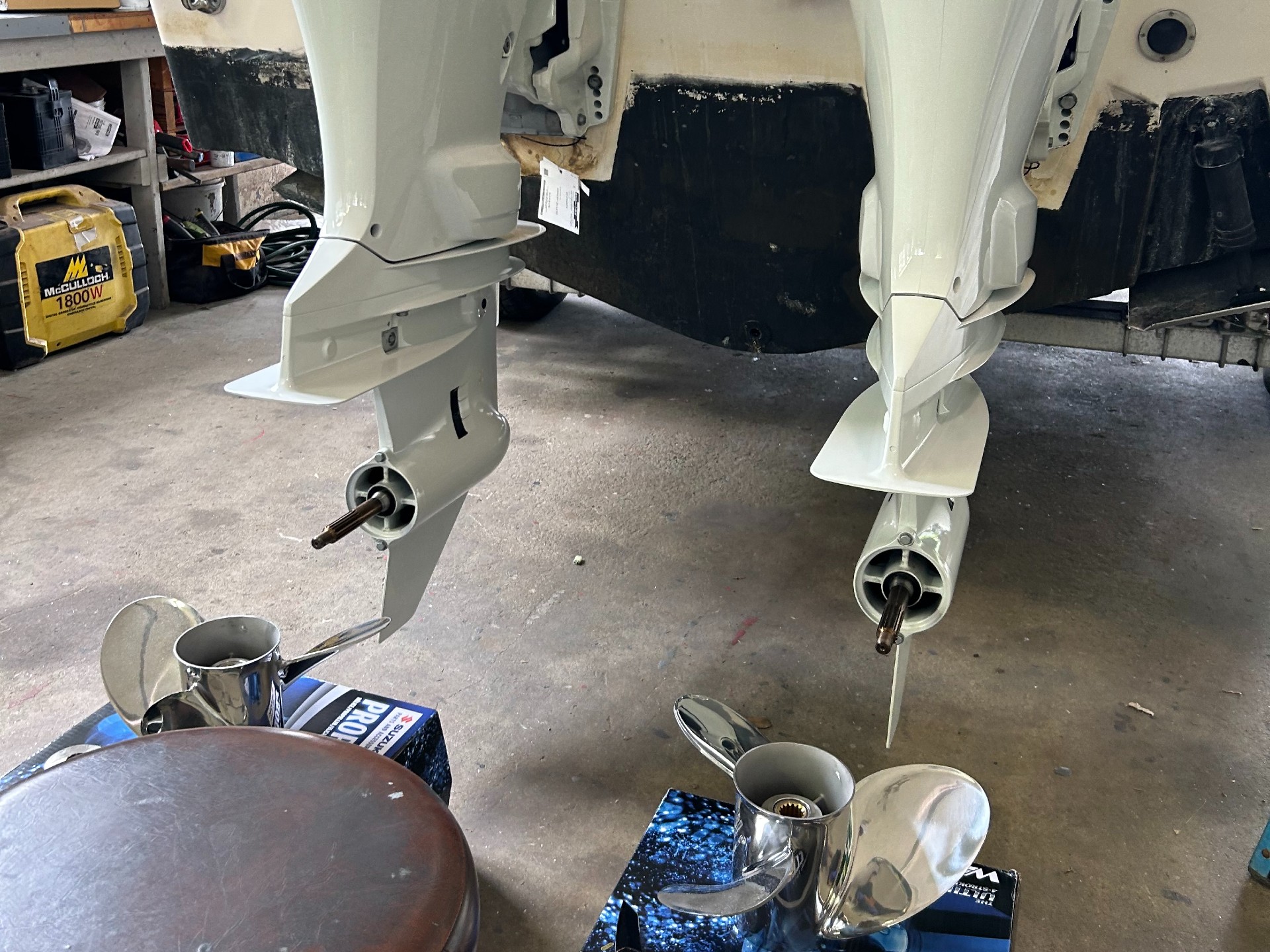
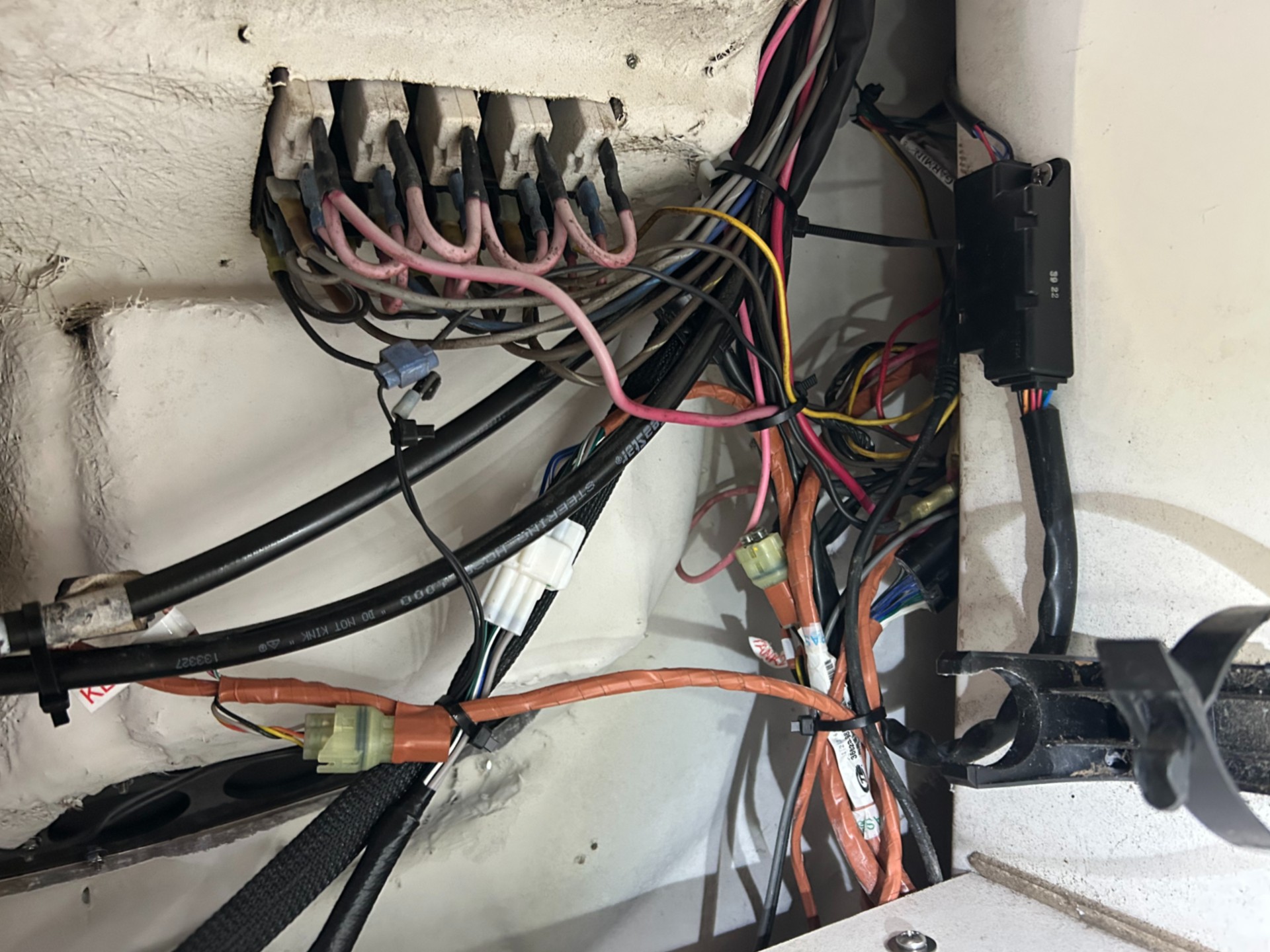
Eventually I gained more experience and became involved in full boat repowers. The shop is a certified Suzuki distributor, so the motors and electronics we installed were Suzuki systems. Repowers involved removing existing outboards using a gantry hoist, installing new engines, aligning mounting hardware, and reinstalling complete wiring harnesses/electronics modules. Below is a dual-outboard repower on a 36’ Proline that I worked on.
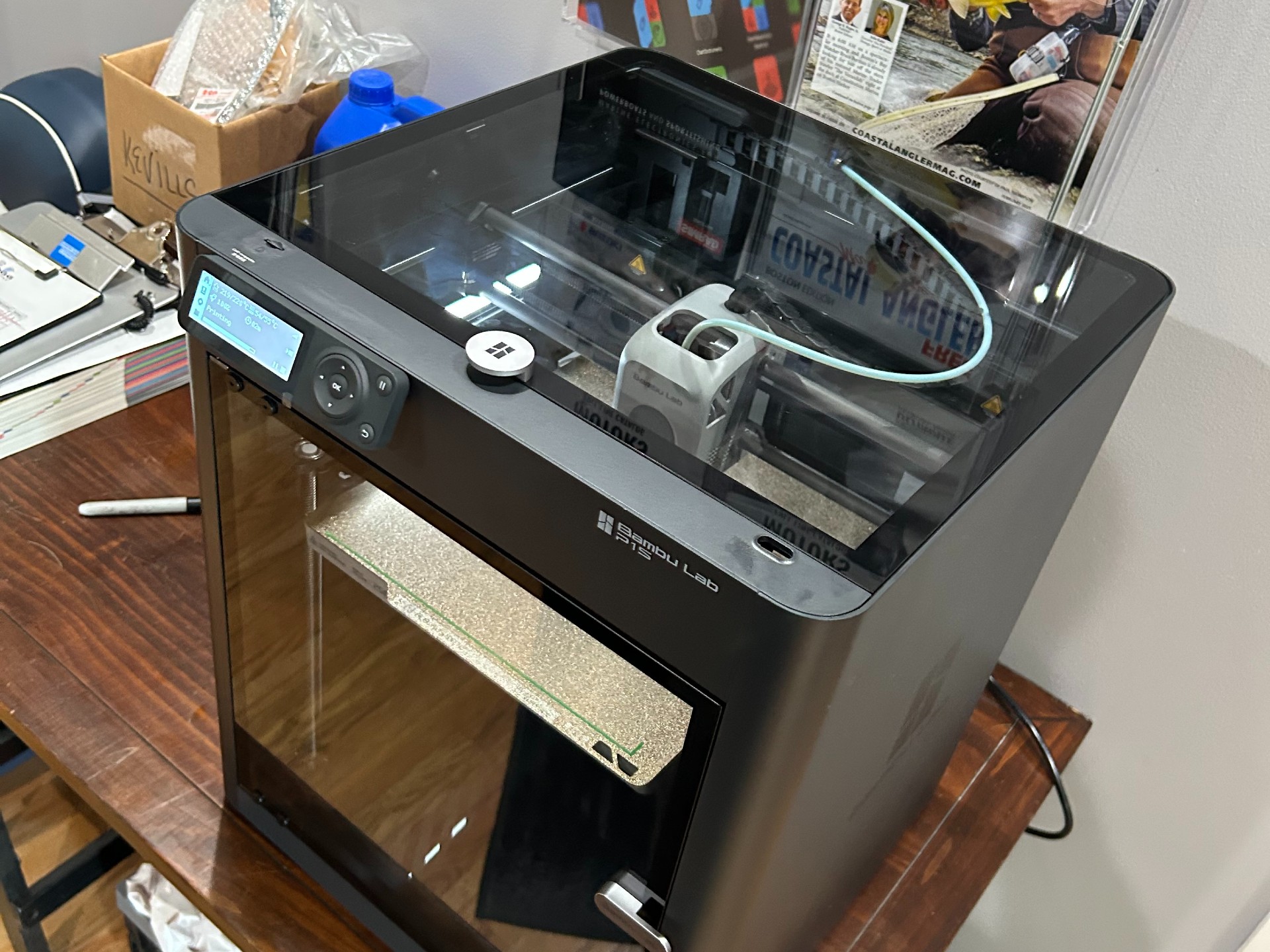
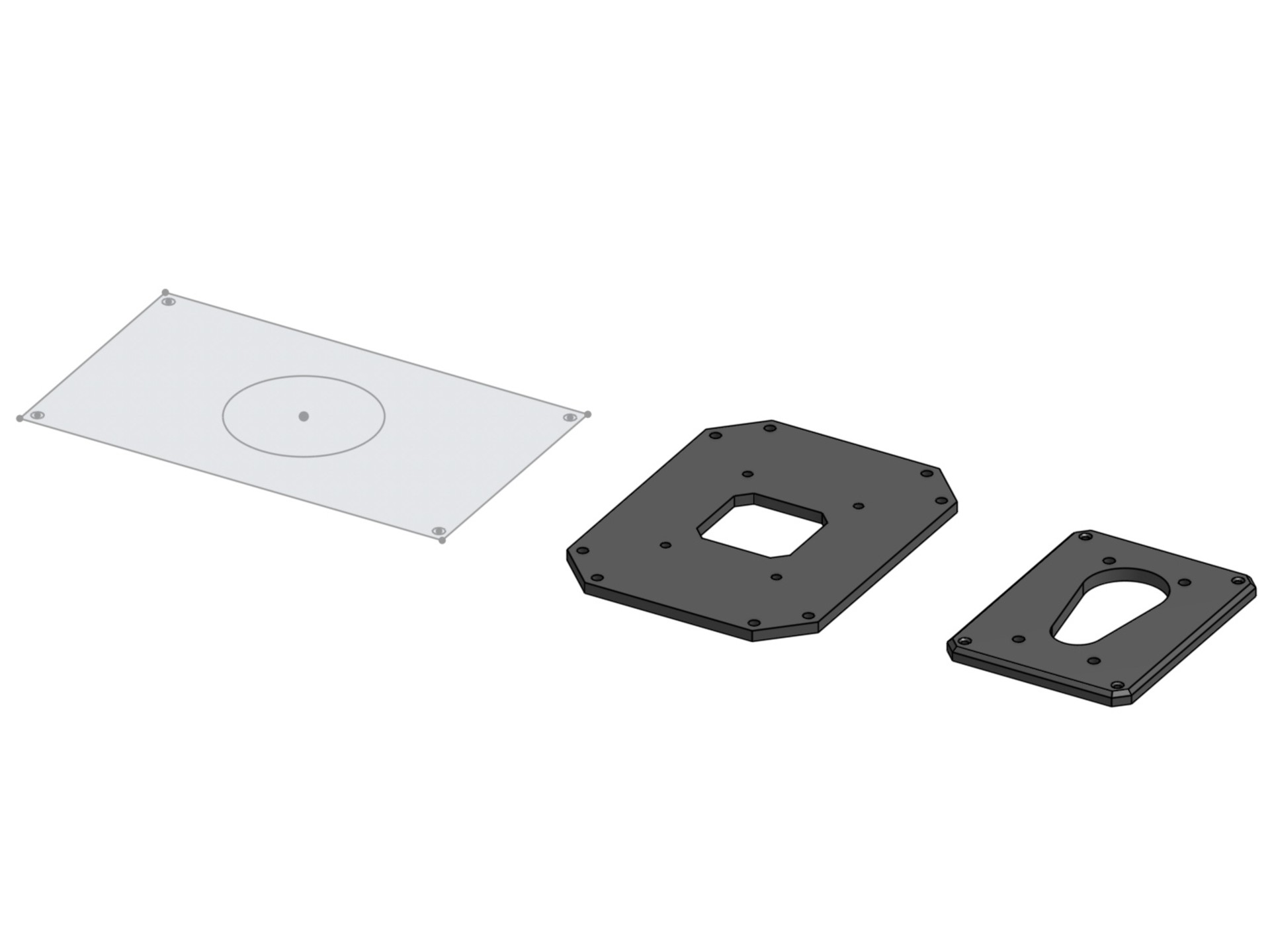
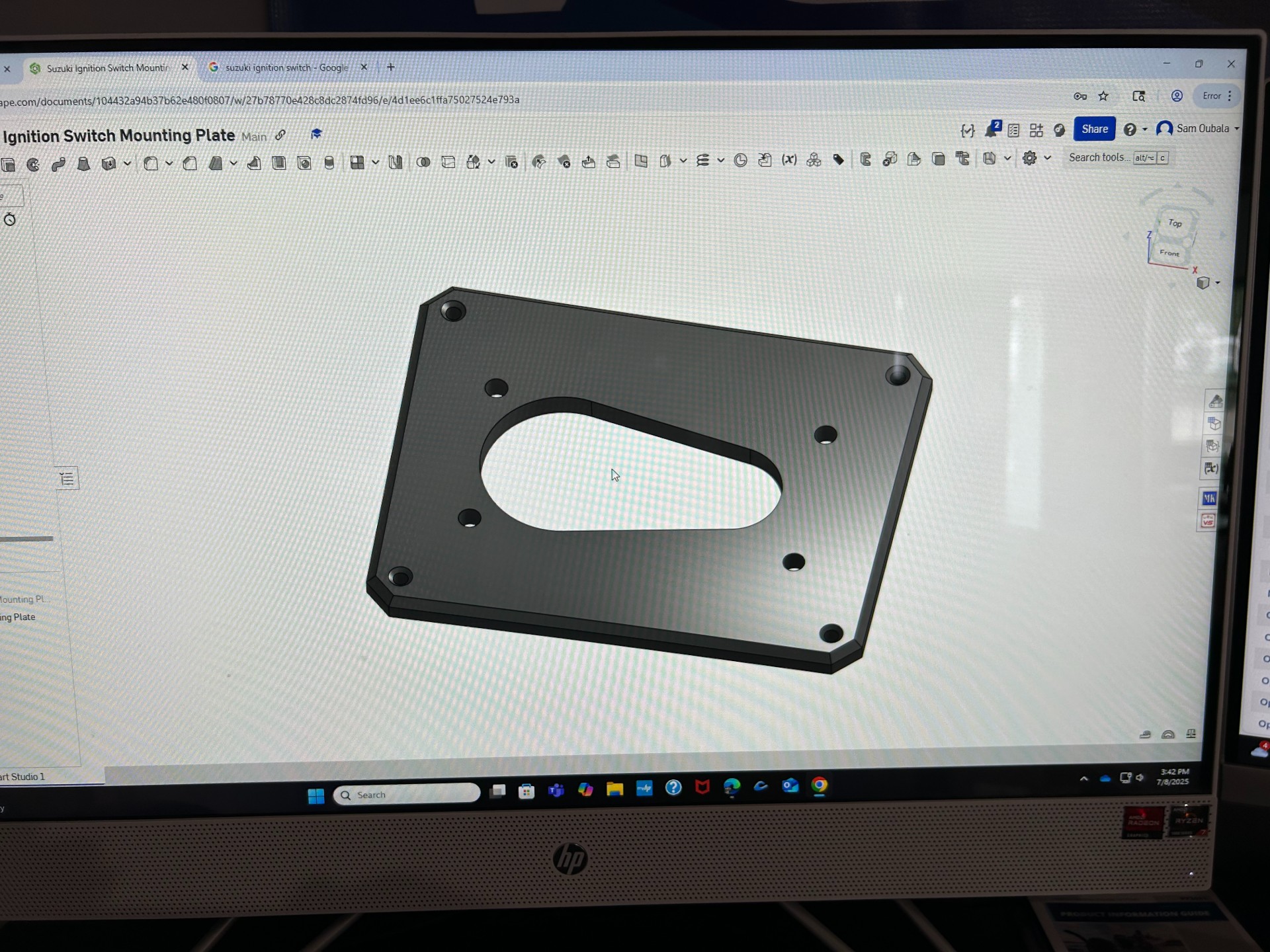
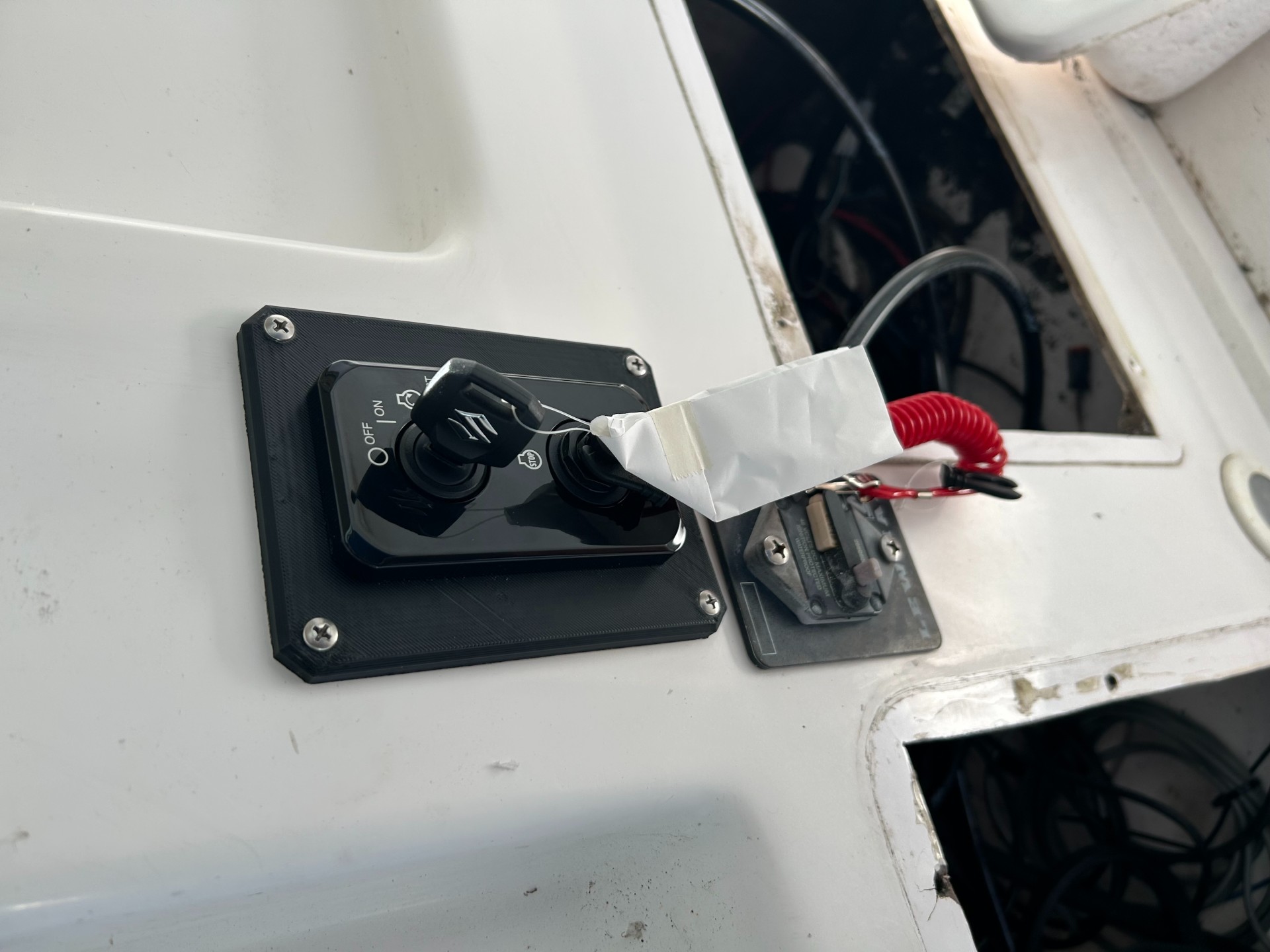
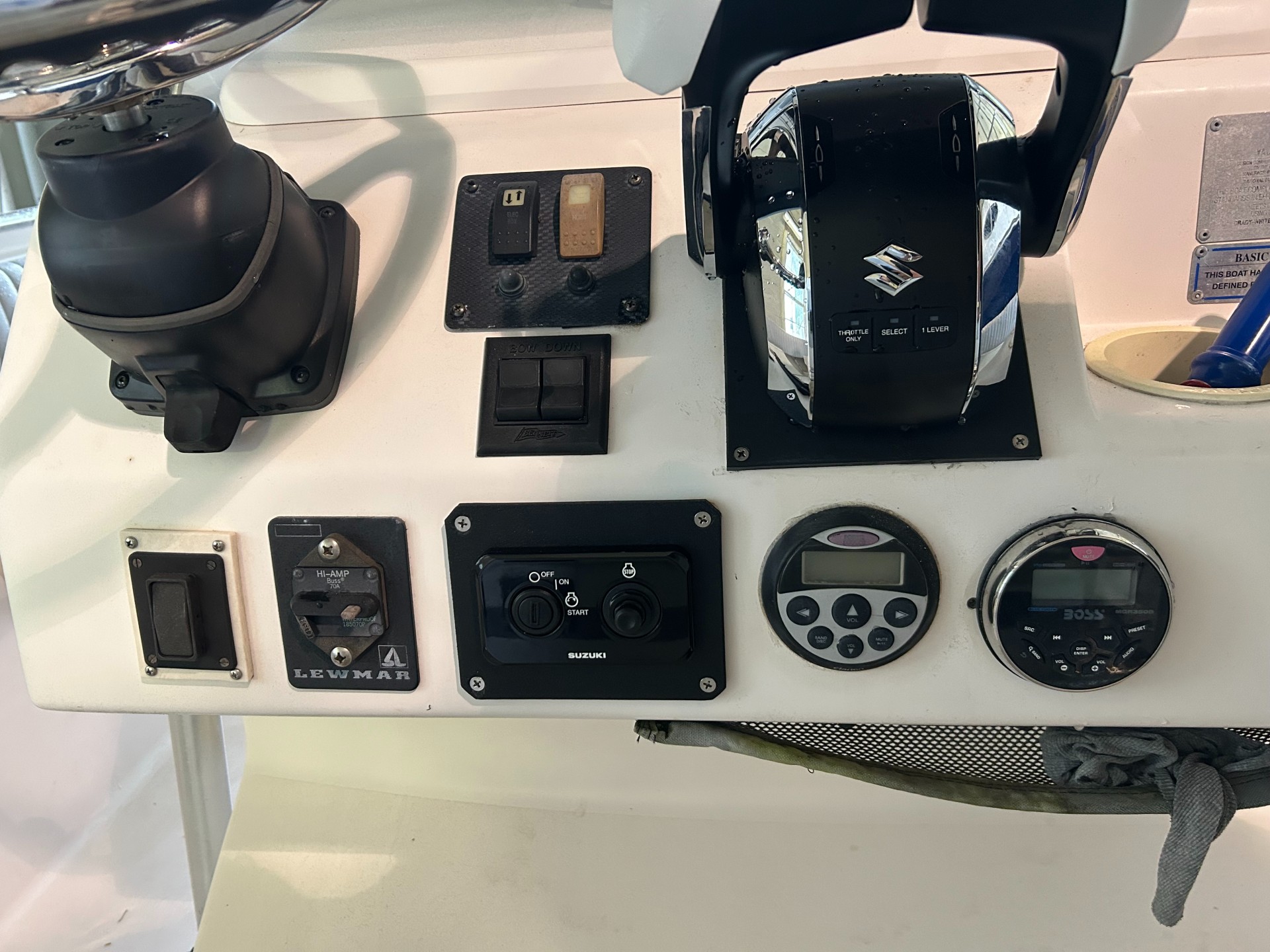
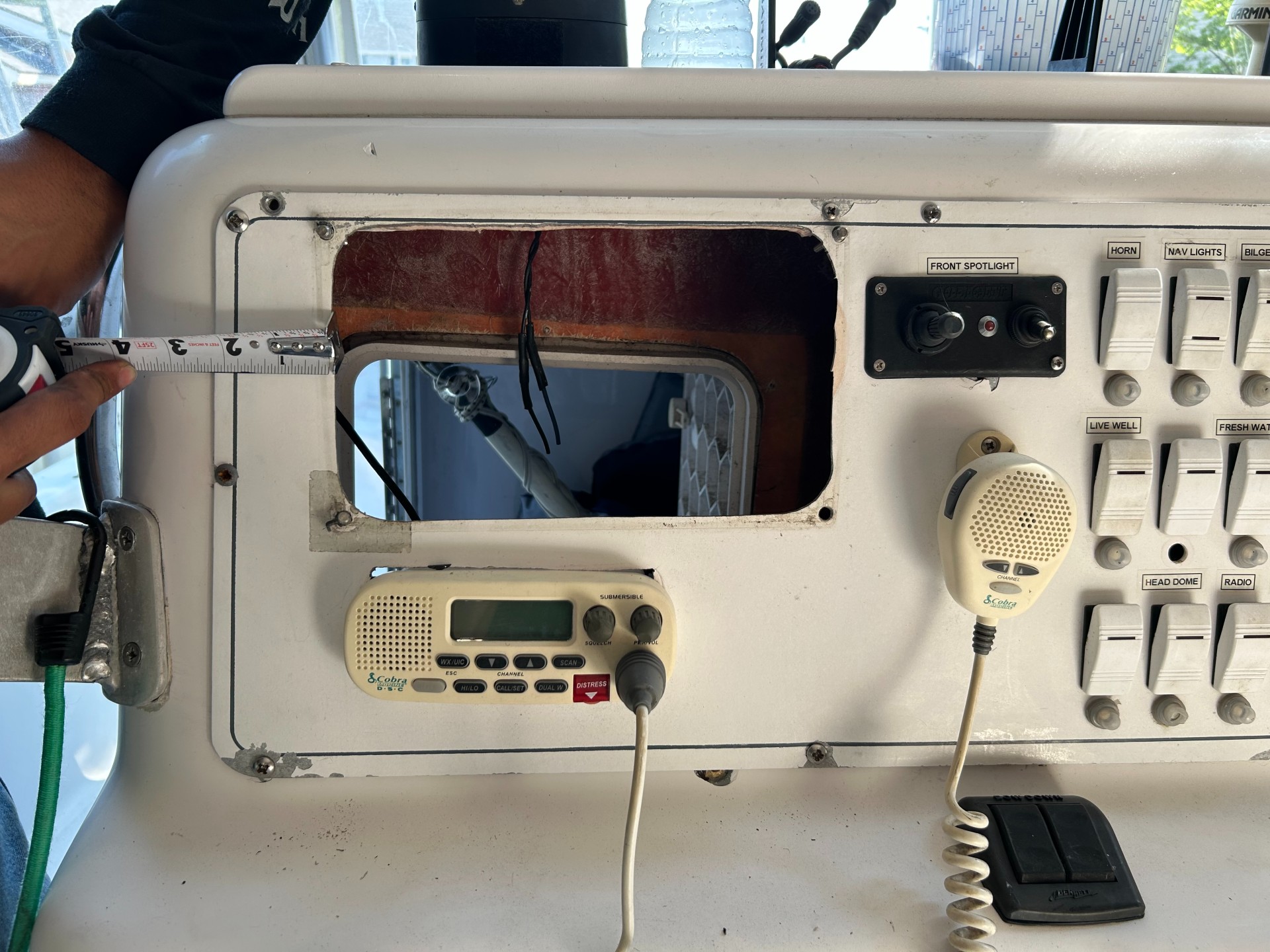
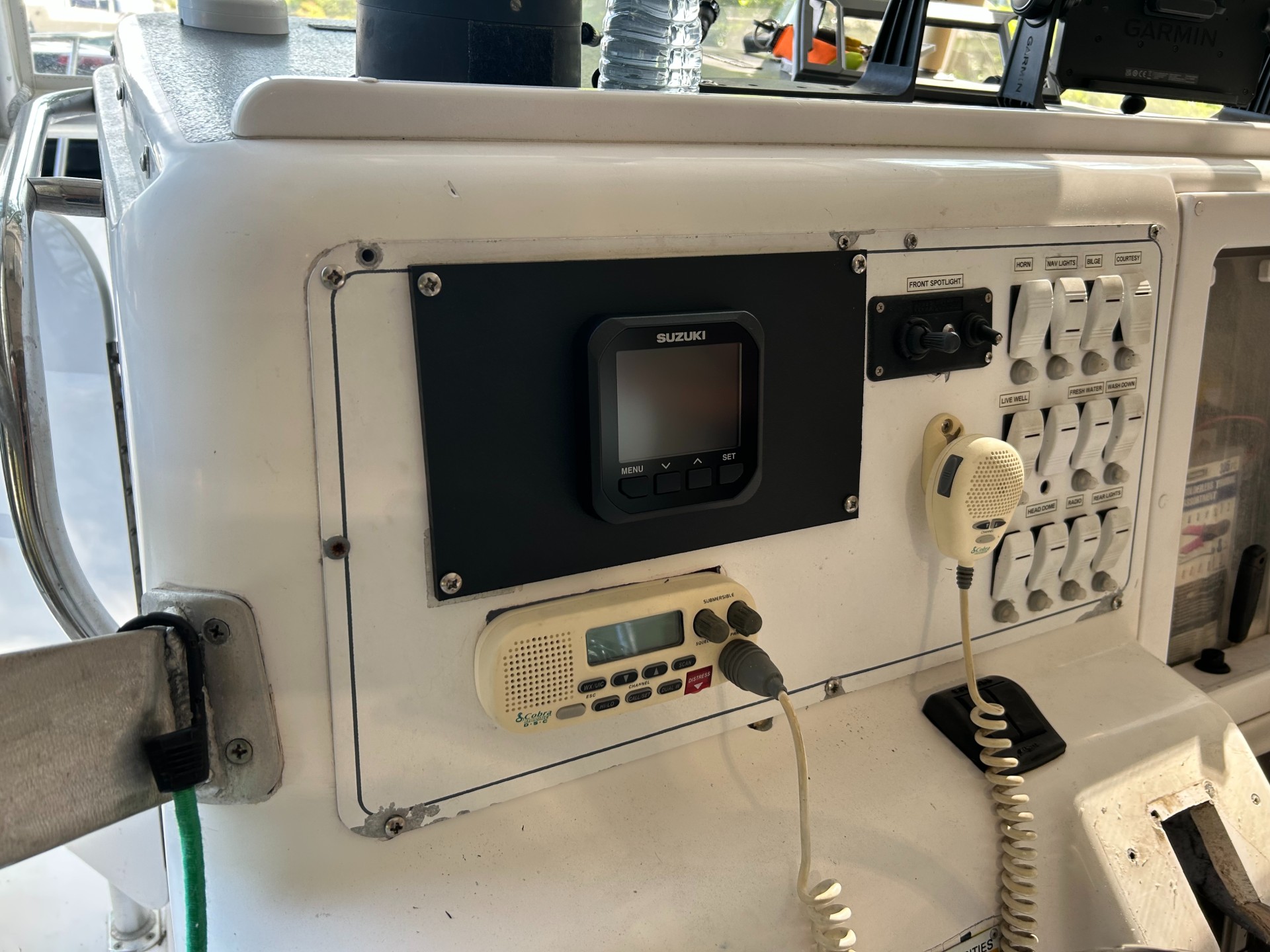
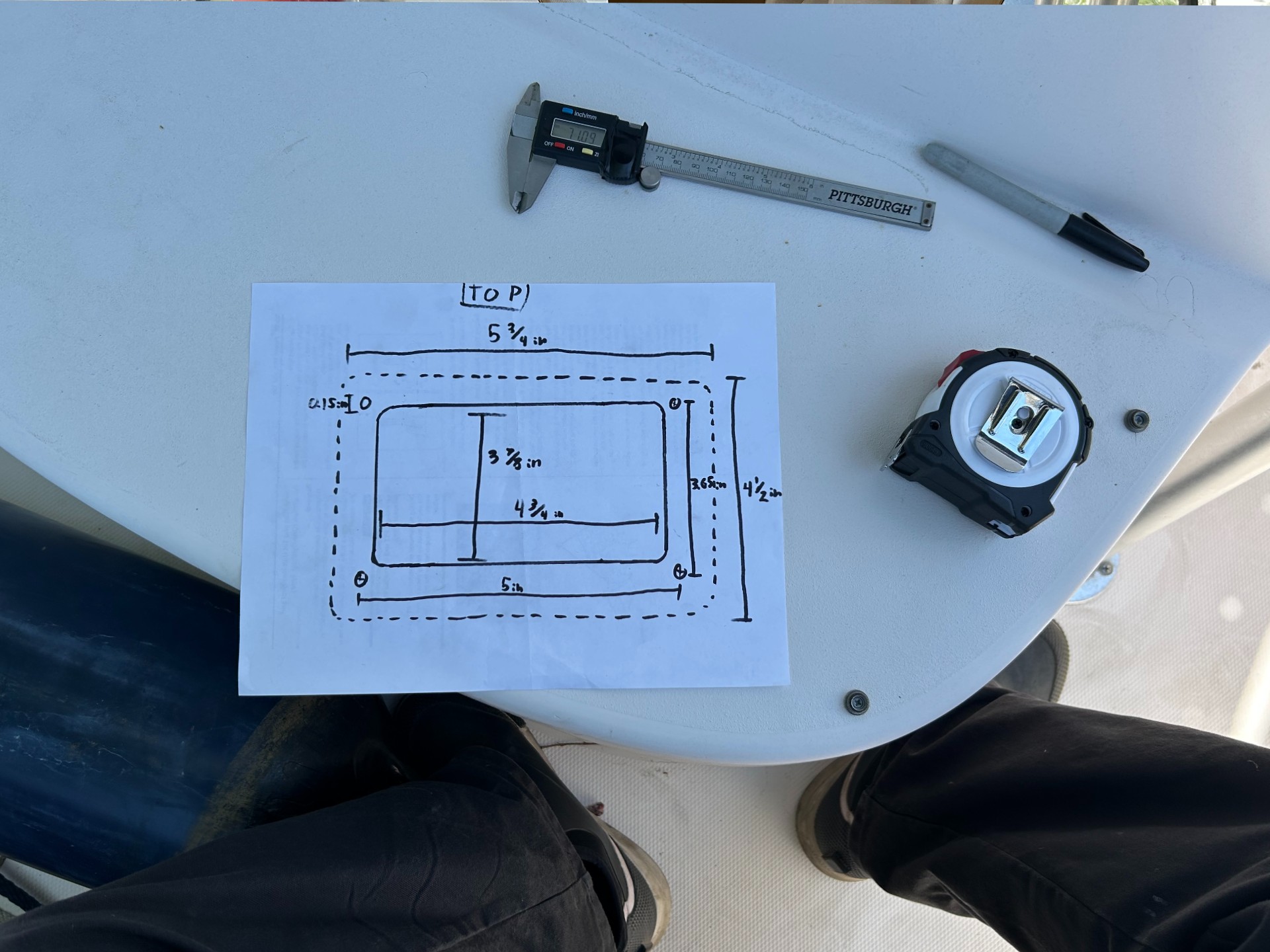
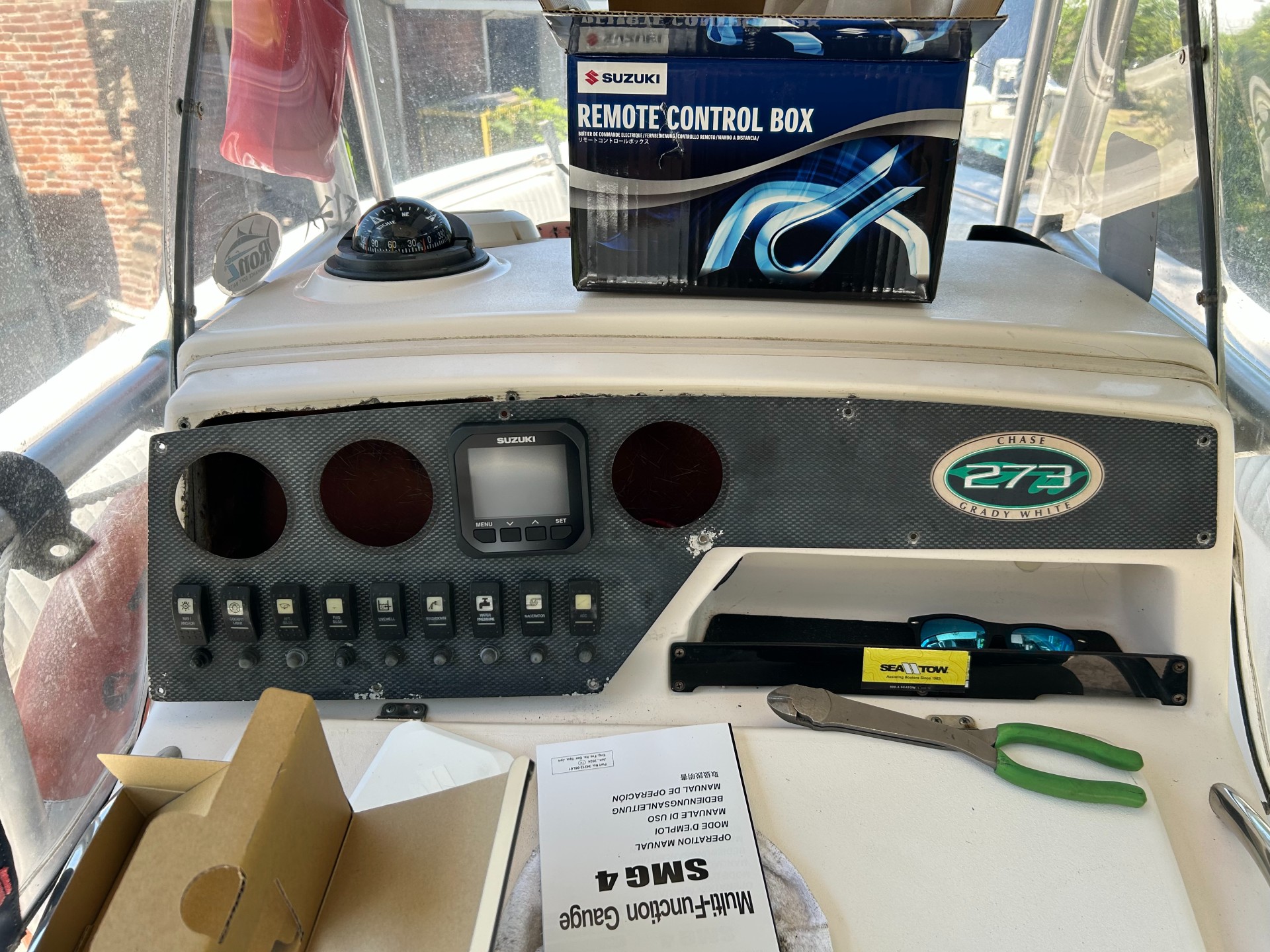
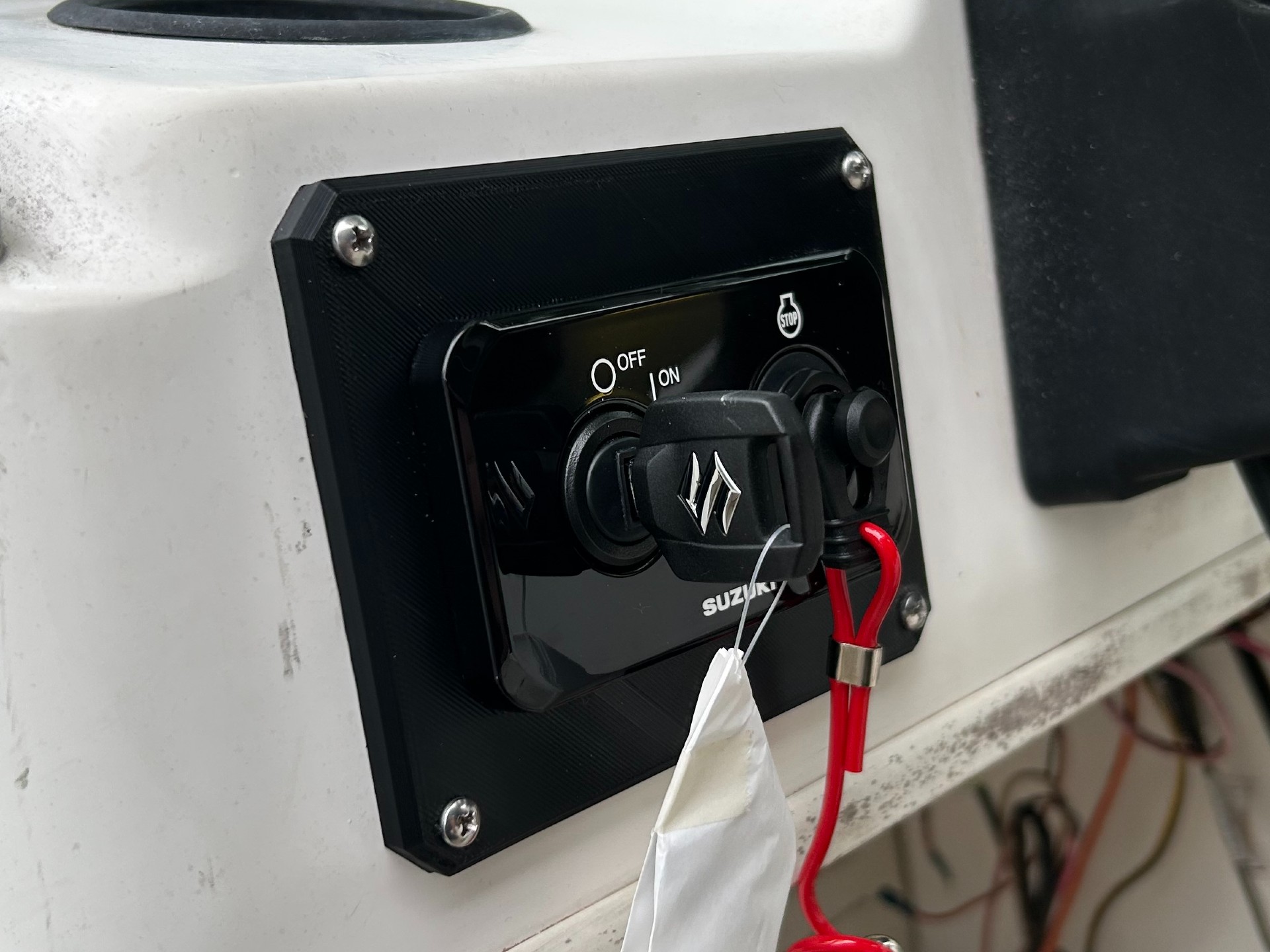
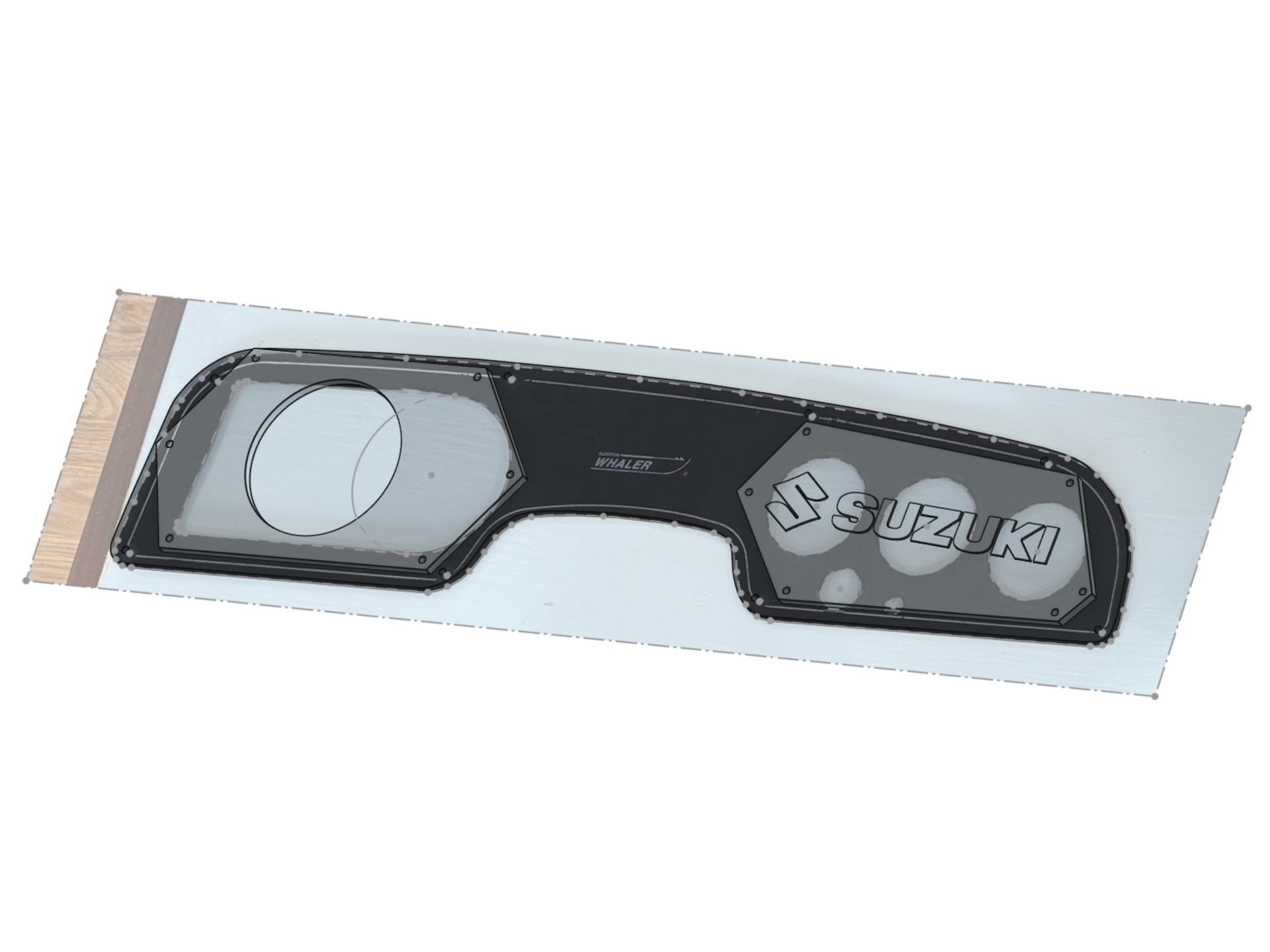
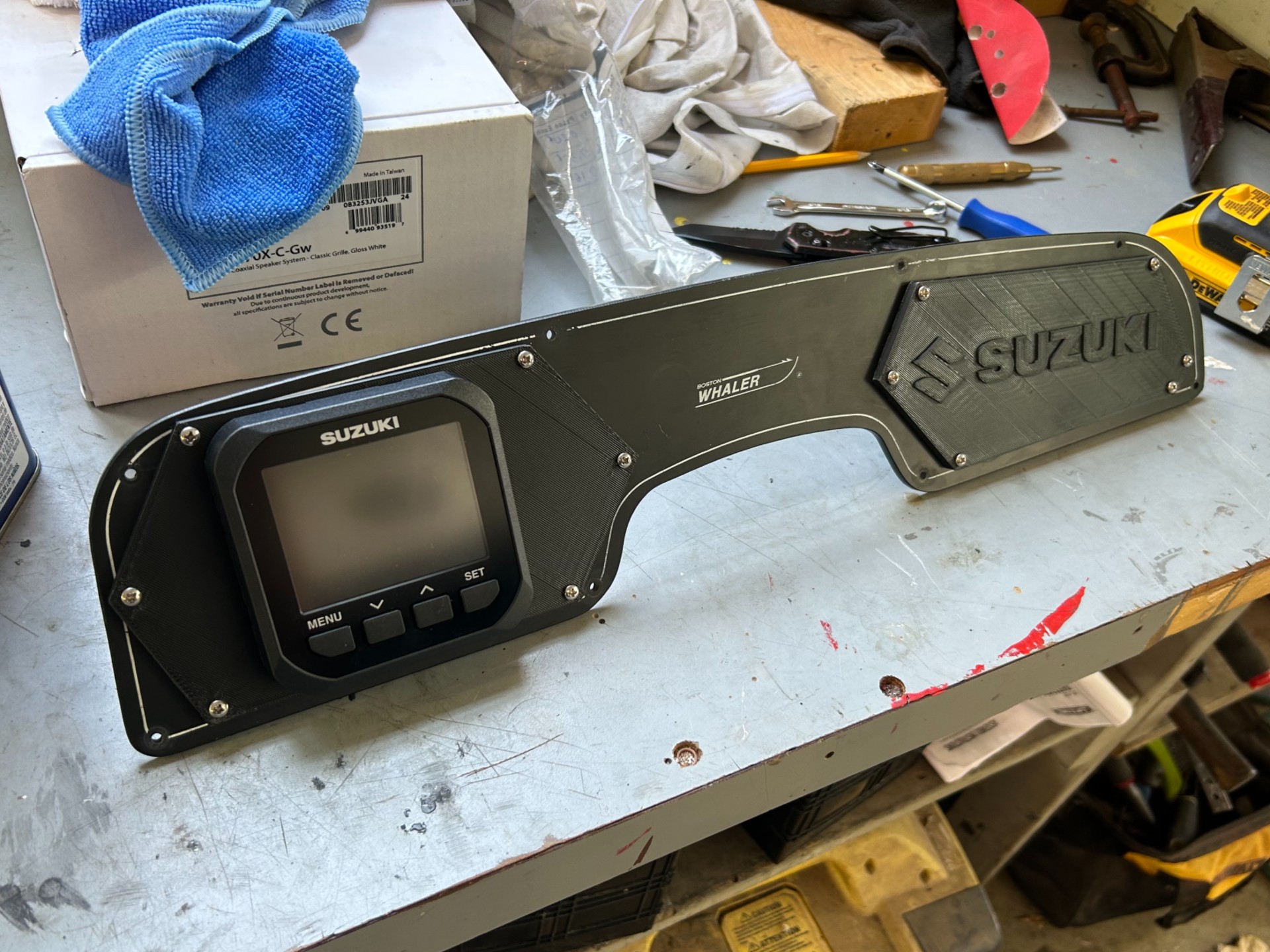
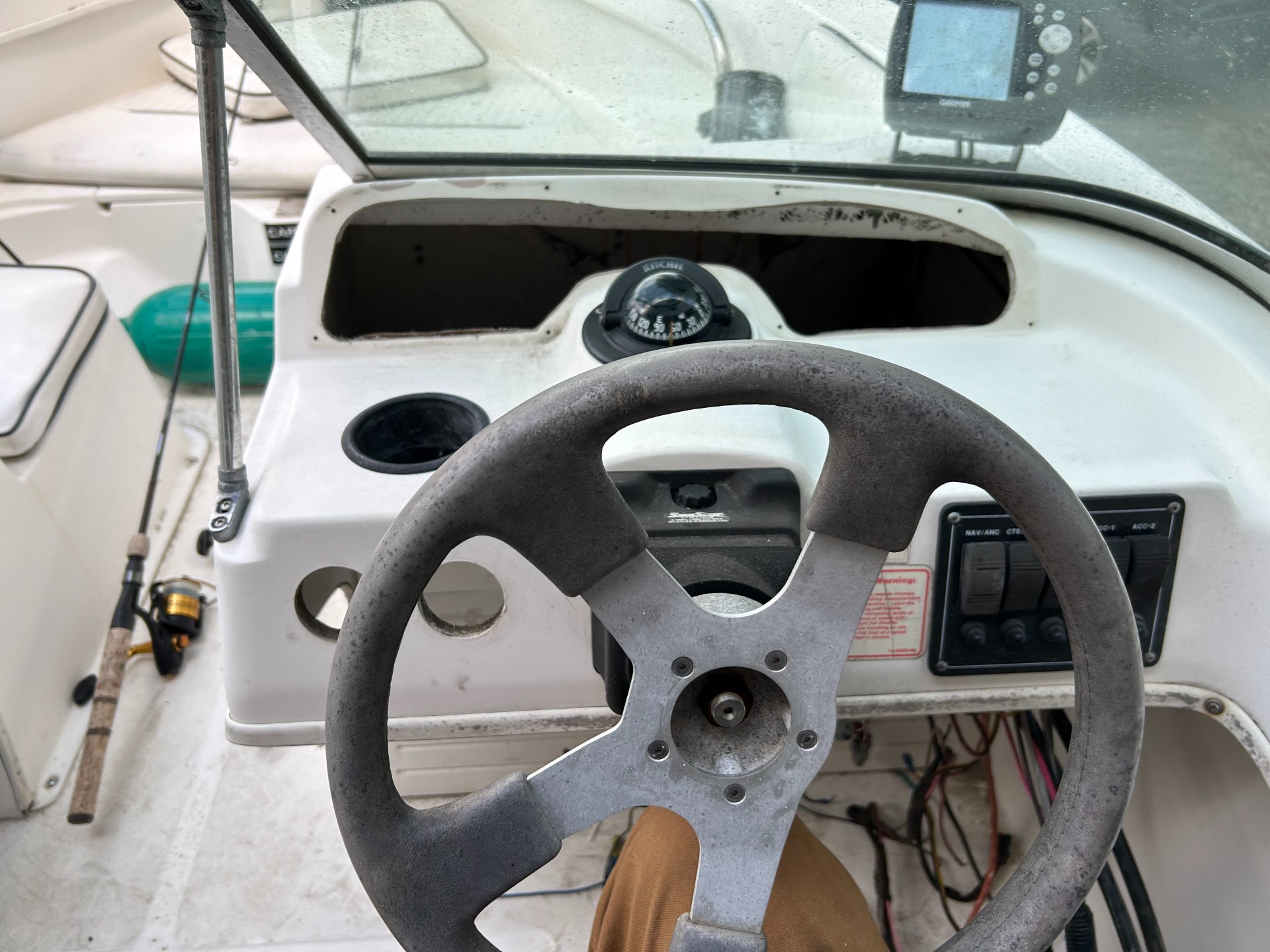
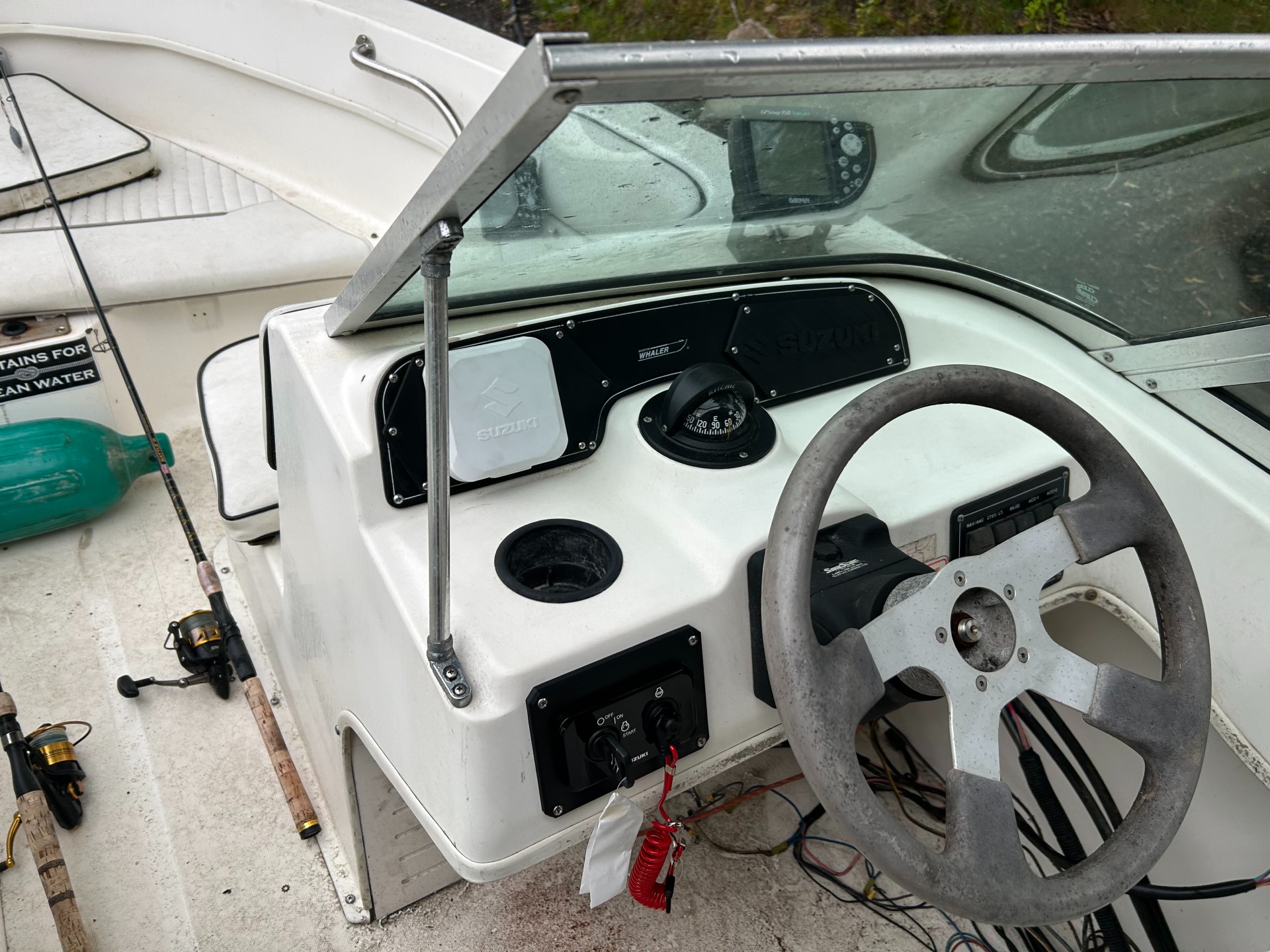
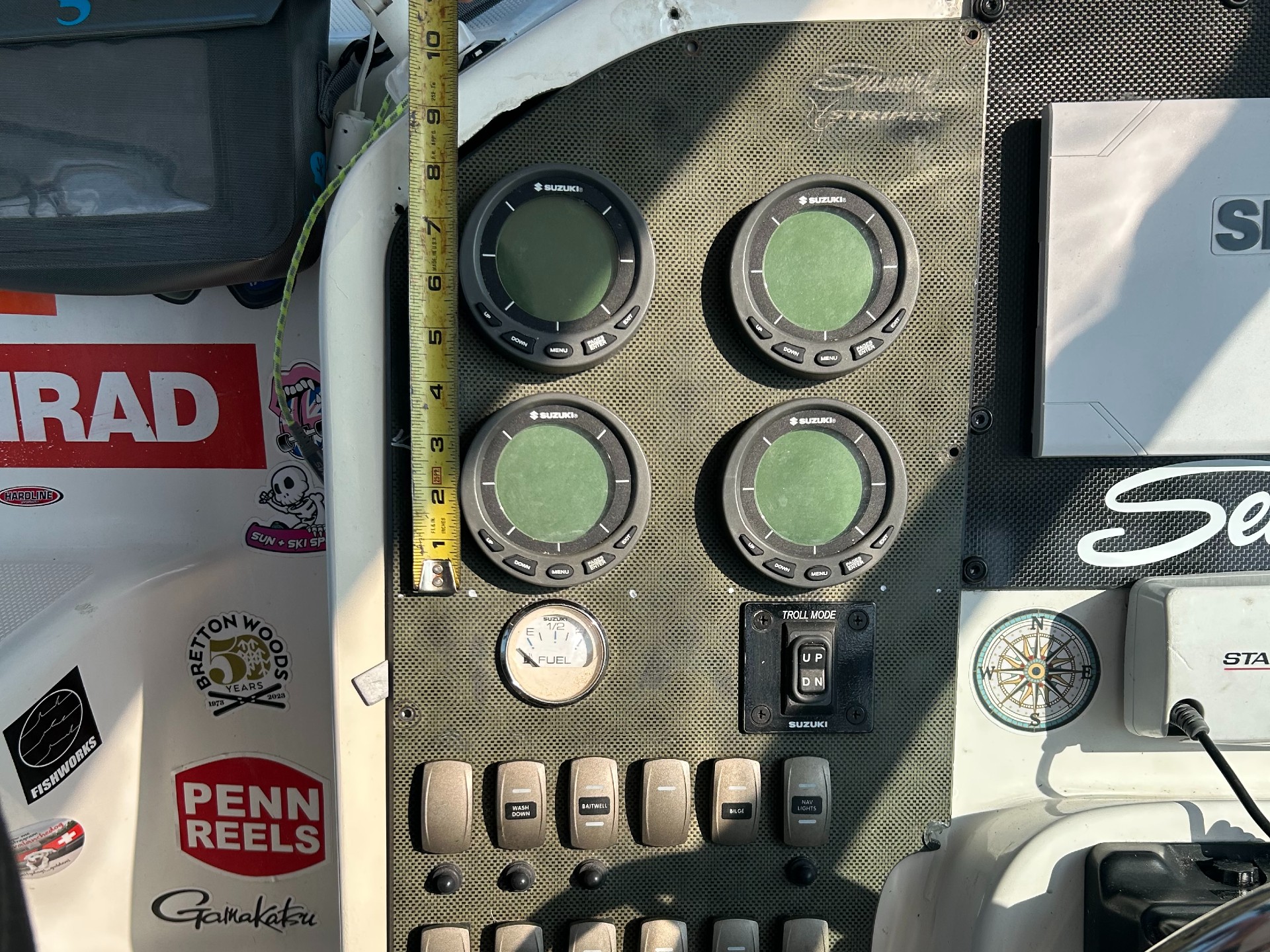
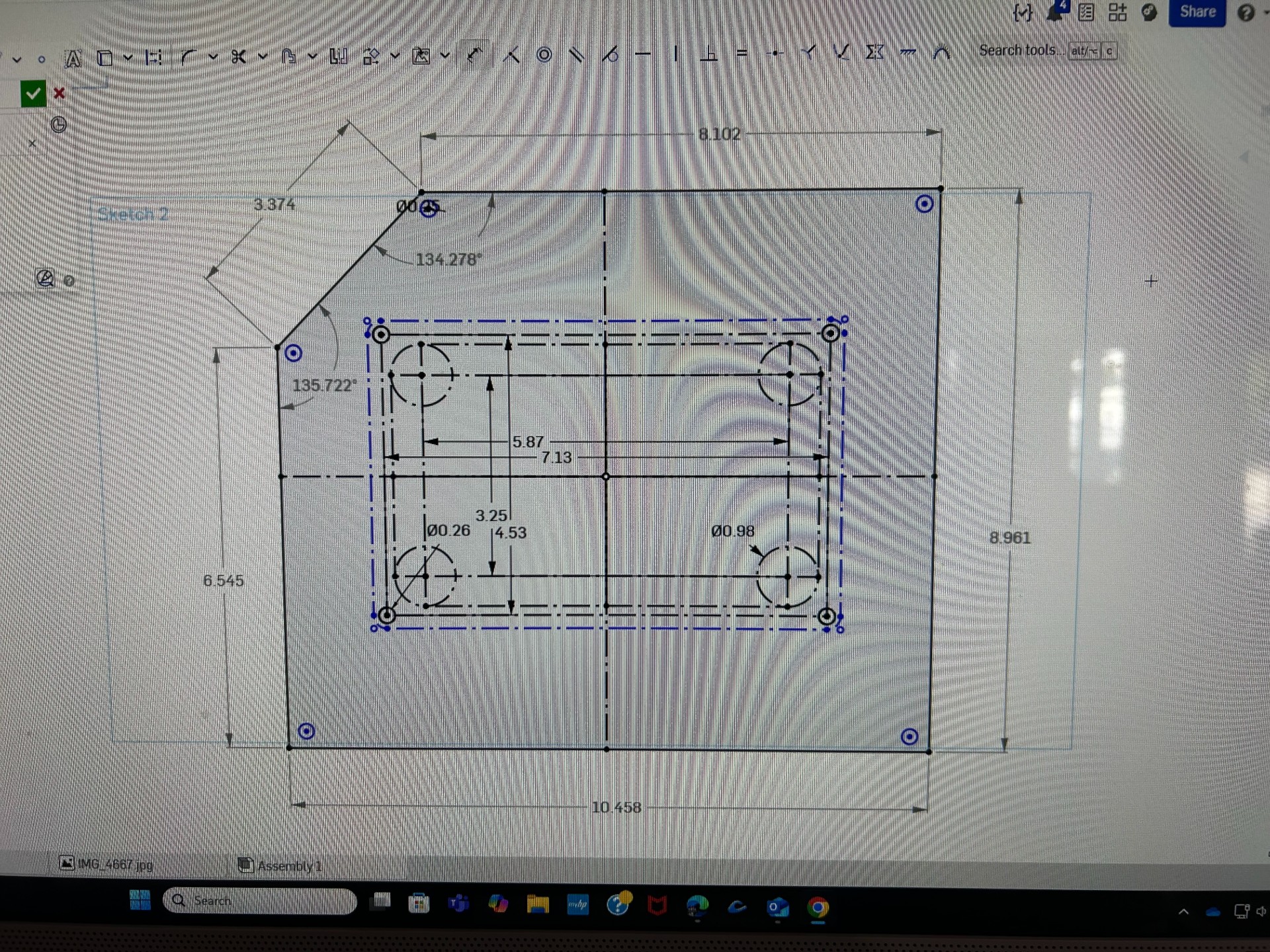
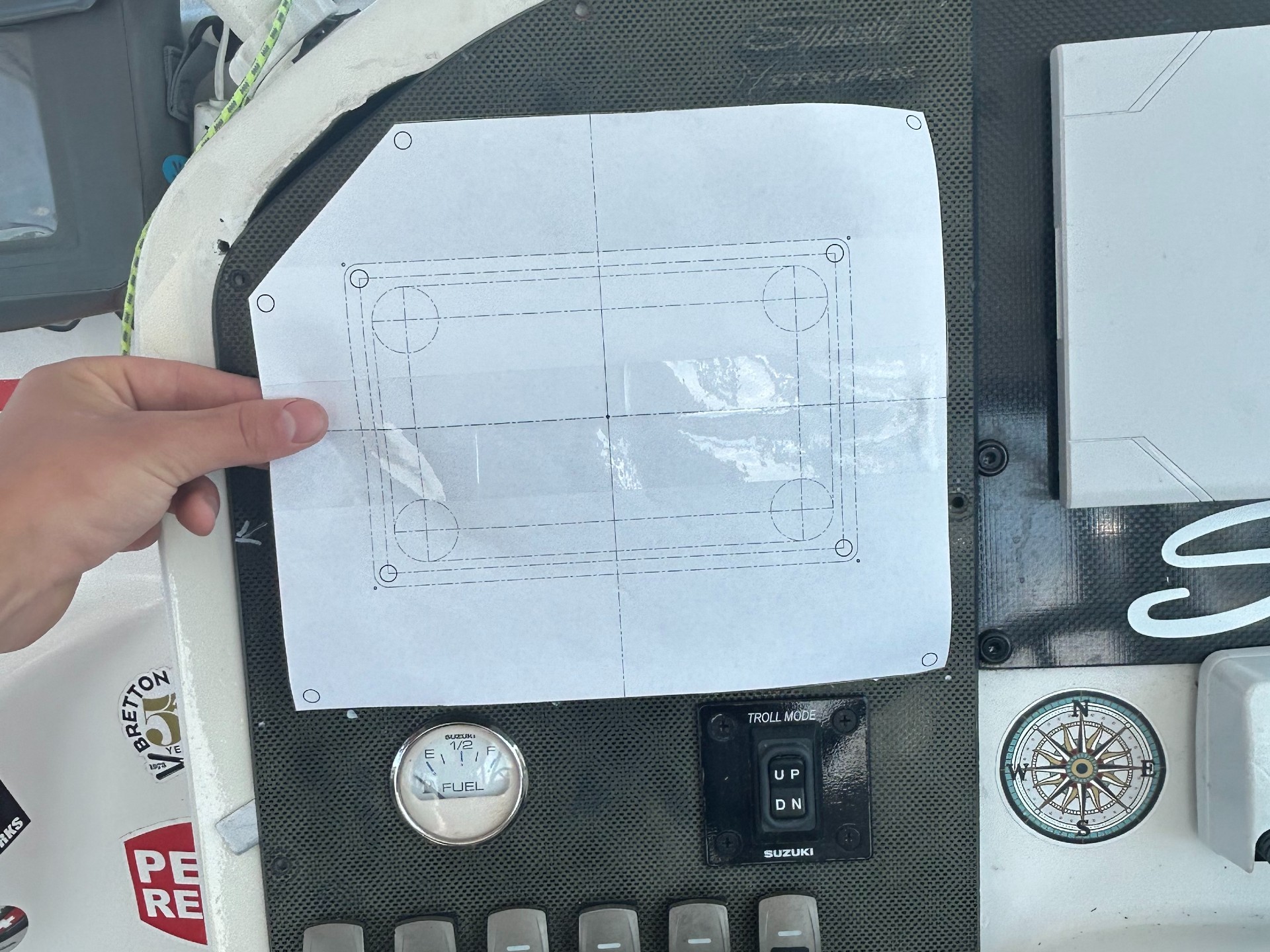
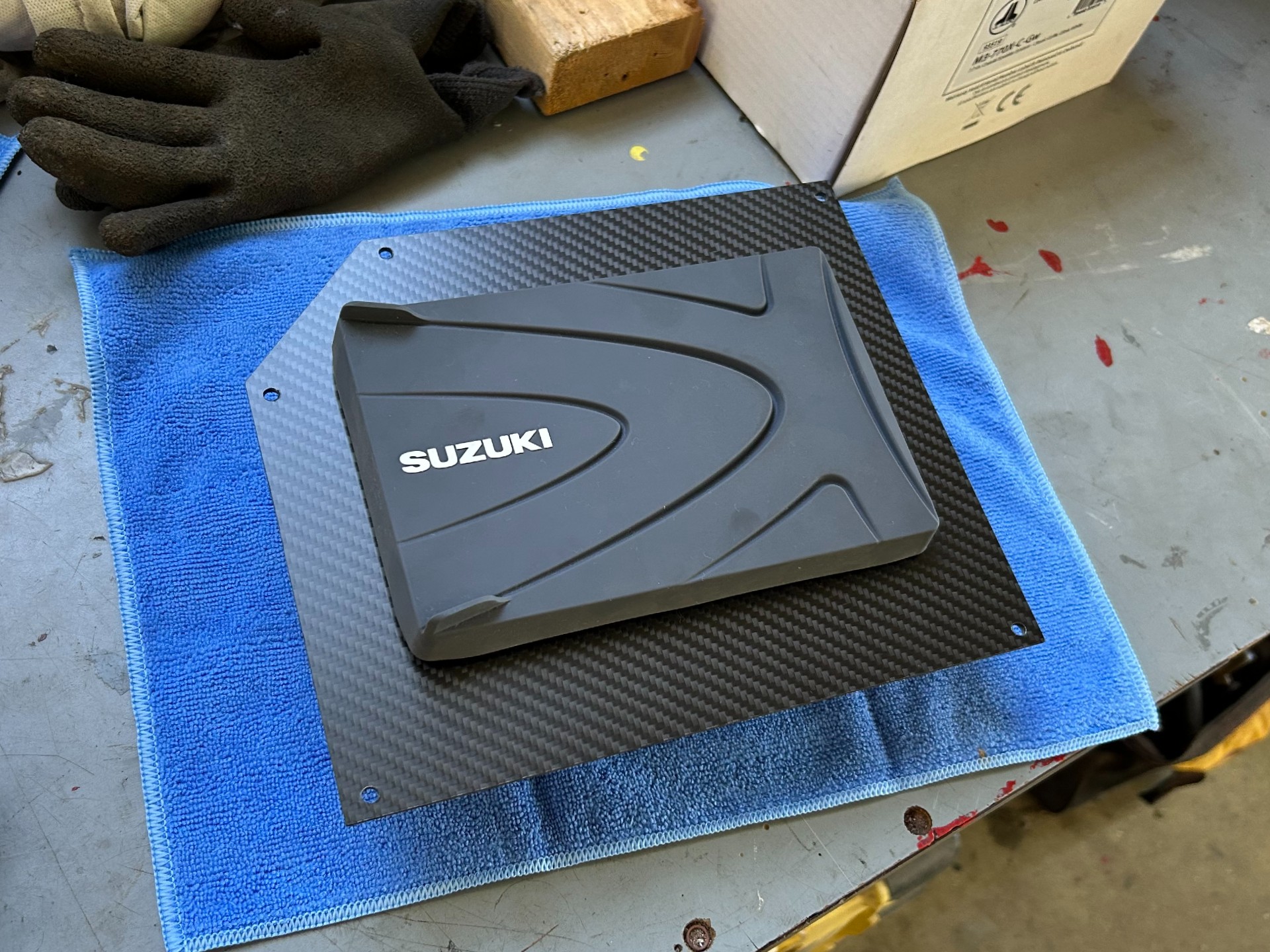
During these repowers, we frequently had to replace dash electronics with new Suzuki gauges and control systems. Traditionally, this required time-consuming manual fabrication using Starboard material. With access to a 3D printer at home, I began designing and fabricating custom mounting solutions instead.
Depending on the application, I would either design 2D stencil panels to print on paper for fitment testing or fully model custom mounting plates and dash inserts from scratch. I eventually began producing complete mounting fixtures for Suzuki electronics across multiple boats. This significantly reduced manual fabrication time and improved repeatability. The workflow improvement was substantial enough that I convinced my boss to invest in a 3D printer for the shop. I set it up and trained other mechanics on the design and printing software so we could integrate additive manufacturing directly into the repower process.
______________________________________________________
I also had opportunities to operate some heavy equipment, including the forklift. Although my single best developed skill was inevitably towing boats around the marina.
Overall, this experience gave me hands-on exposure to servicing and fabrication from a mechanic/technician point of view.
It helped me understand how these systems are maintained and modified in practice, and working directly on real boats was both challenging and rewarding. I genuinely enjoyed the experience. ______________________________________________________